City guides6 min read
Museums in Şanlıurfa: Complete Visitor Guide
Explore Şanlıurfa's museums: archaeology, mosaics, city history, and cultural collections. Hours, locations, and practical tips for travellers.
MuseConnect editorsPublished
In this guide · 4 sections
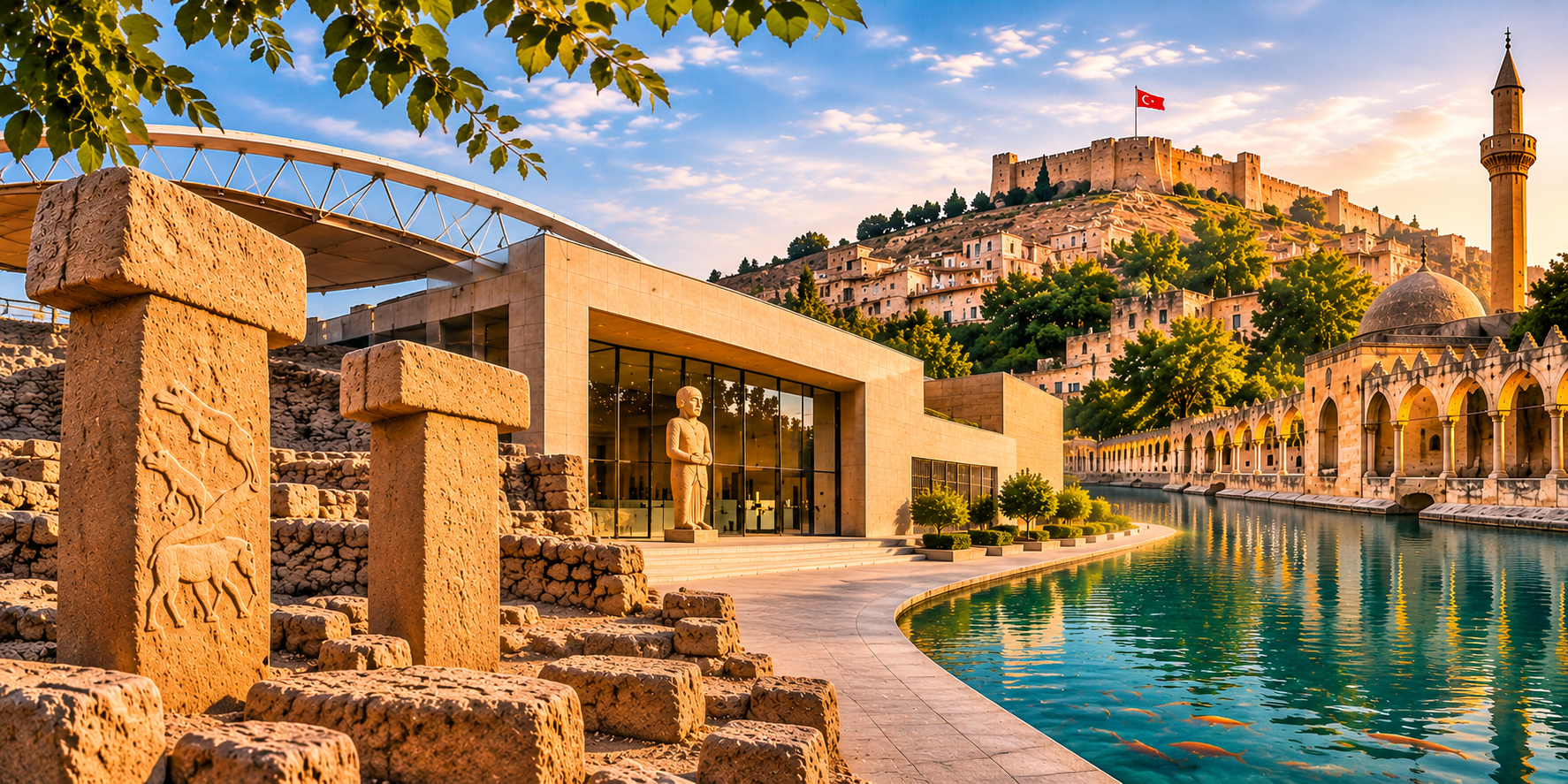
Şanlıurfa stands as one of Turkey's most significant cultural centres, shaped by thousands of years of history. The city's museums present this rich heritage in chronological order, offering visitors direct access to artefacts from archaeological excavations spanning the Paleolithic era through the Islamic period. Collections ranging across these millennia have established Şanlıurfa as a premier destination for museum tourism.
Major Museums in Şanlıurfa
Şanlıurfa Archaeology Museum
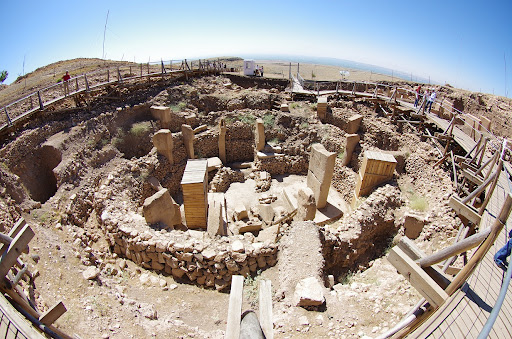
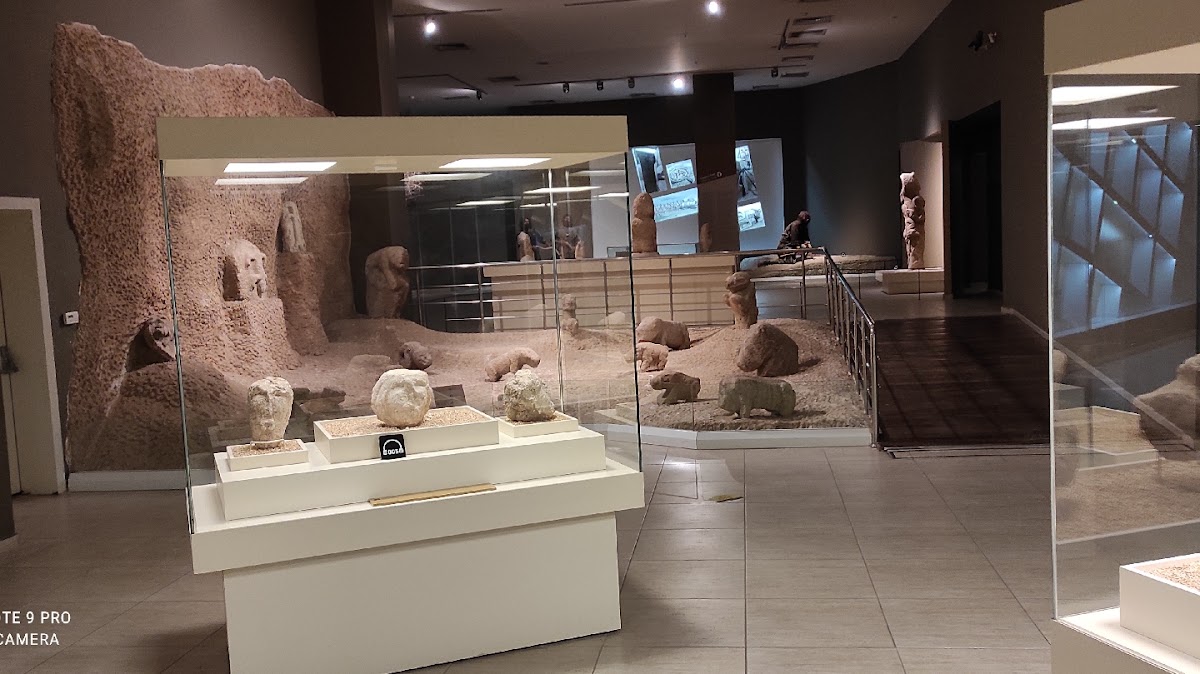
The Şanlıurfa Archaeology Museum holds the region's most comprehensive archaeological collection. The museum guides visitors through a historical journey spanning the Paleolithic, Neolithic, Chalcolithic, Bronze, and Iron ages. Among its most striking exhibits are the Balıklıgöl Statue—the world's oldest known sculpture—alongside finds from Göbeklitepe excavations and artefacts from the Nevali Çori Temple.
The museum complex includes a multipurpose information centre, amphitheatre, gift shop, and recreation areas designed for visitor comfort. Parking facilities accommodate hundreds of vehicles, both indoors and outdoors. Located near Balıklıgöl, the museum ranks among the city's most important cultural institutions. It received Turkey's Best Museum award in 2016.
The museum's depth makes it essential for anyone interested in understanding the ancient Near East. Plan at least three to four hours for a thorough visit, as the collections are extensive and the building spans considerable ground.
Visiting hours: Daily 08:30–17:30 (ticket office closes at 17:00). Check the official website for seasonal variations.
Haleplibahçe Mosaic Museum
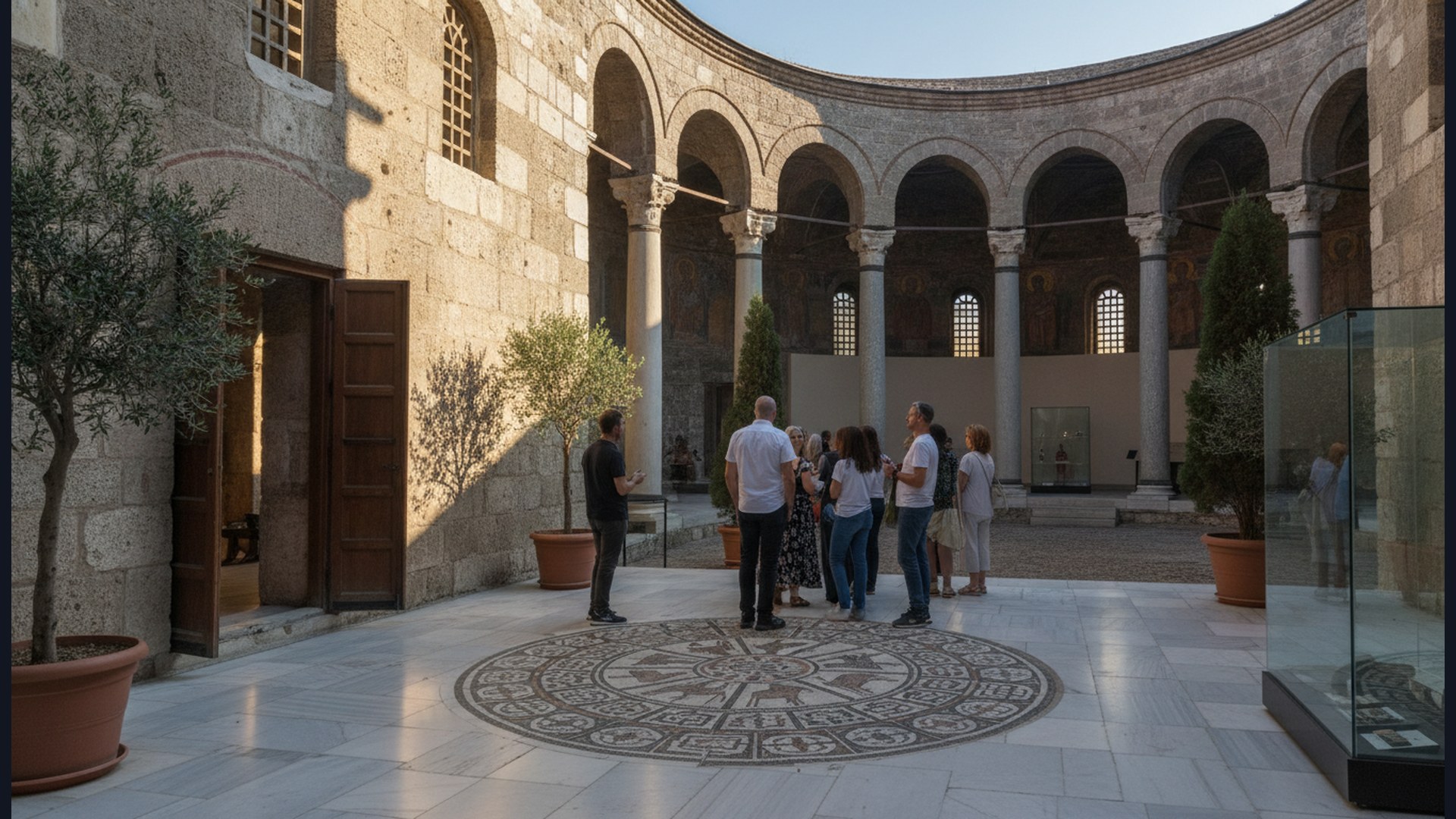
The Haleplibahçe Mosaic Museum occupies a separate building within the same complex as the Archaeology Museum. This museum showcases some of the finest examples of Roman-period mosaics, displaying richly coloured and intricately detailed works. The mosaics recovered from the Haleplibahçe district represent distinctive examples of ancient artistry.
Şanlıurfa is known as the "City of Mosaics," with over 100 mosaics discovered throughout the province. The Orpheus Mosaic, displayed here, was removed to the United States in the 1950s and returned to Turkey by the Ministry of Culture in 2012—a significant cultural recovery. The detailed craftsmanship and vibrant colours of these works reflect the artistic understanding of the Roman period.
Visiting both the Archaeology Museum and this mosaic collection on the same day is practical, as they share the same location. The mosaics provide a different perspective on ancient life compared to the broader chronological sweep of the main museum.
Urfa City Museum
Located in the Eyyübiye district near Beykapusu, the Urfa City Museum presents a broad range of subjects from the city's culinary culture to daily life. Documents, photographs, and objects spanning from the Ottoman period through the Republic era help visitors understand Şanlıurfa's social and cultural development.
The museum focuses on more recent history than the archaeology collections, making it a natural complement to visits to the older sites. It provides context for how the city evolved into its modern form.
Visiting hours: Closed Mondays · Tuesday–Friday 08:00–17:00 · Saturday 09:00–17:00 · Closed Sundays
Liberation Museum
The Liberation Museum, located in the Haliliye district on Atatürk Avenue, occupies a mansion dating to 1903. The museum displays historical documents and objects related to Urfa's liberation period. After restoration, the museum reopened to visitors on 29 September 2026. Check ahead for current visiting hours before planning your visit.
Kitchen Museum
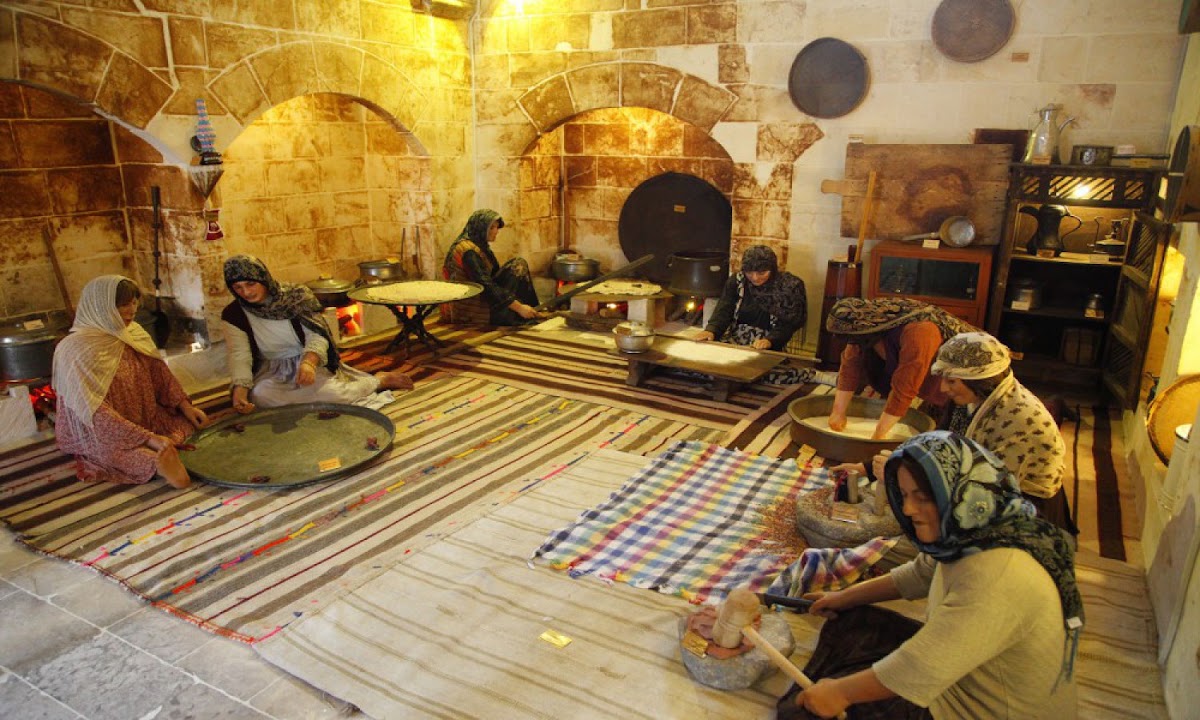
Housed in the restored historic Hacıbanlar House in the Eyyübiye district, the Kitchen Museum showcases traditional Urfa domestic life and culinary culture. The museum introduces visitors to the kitchen utensils, cooking tools, and food preparation traditions that shaped daily life in local households.
The focus on domestic and culinary heritage offers a human-scale perspective on how people lived. This museum pairs well with the City Museum for understanding social history.
Visiting hours: Closed Mondays · Tuesday–Sunday 09:00–17:00
İbrahim Tatlıses Music Museum
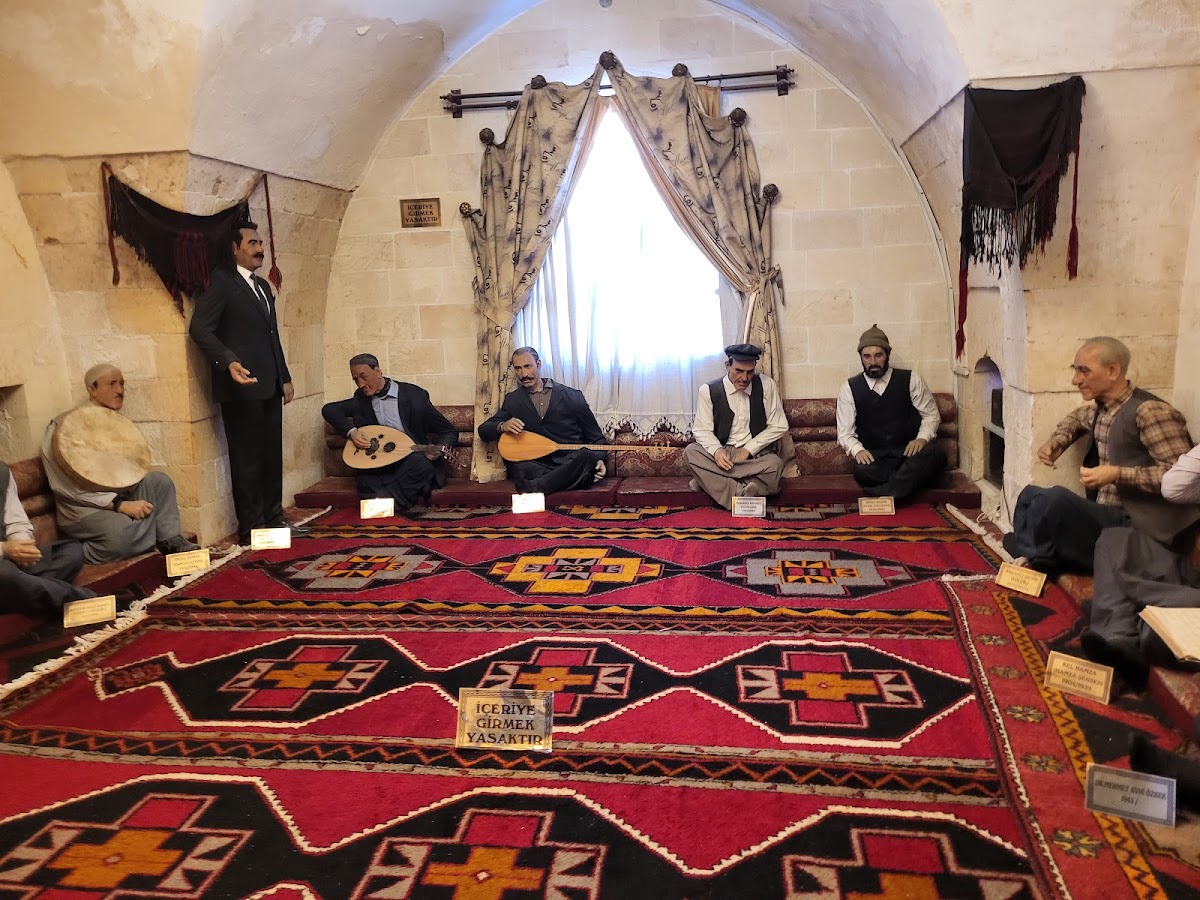
Located on Harran Gate Avenue in the Eyyübiye district, the İbrahim Tatlıses Music Museum displays stage costumes, personal belongings, and memorabilia from the renowned artist's musical career. The museum serves as a memory centre for visitors interested in Turkish music history and the life of this significant cultural figure.
Müslüm Gürses Museum
Situated within Karaköprü Life Park, the Müslüm Gürses Museum offers free entry to visitors. The museum preserves the life and artistic legacy of Müslüm Gürses, one of the important figures in Turkish musical culture.
Visiting hours: Closed Mondays · Tuesday–Sunday 09:30–12:00, 13:00–18:00
Şanlıurfa Games and Toys Museum
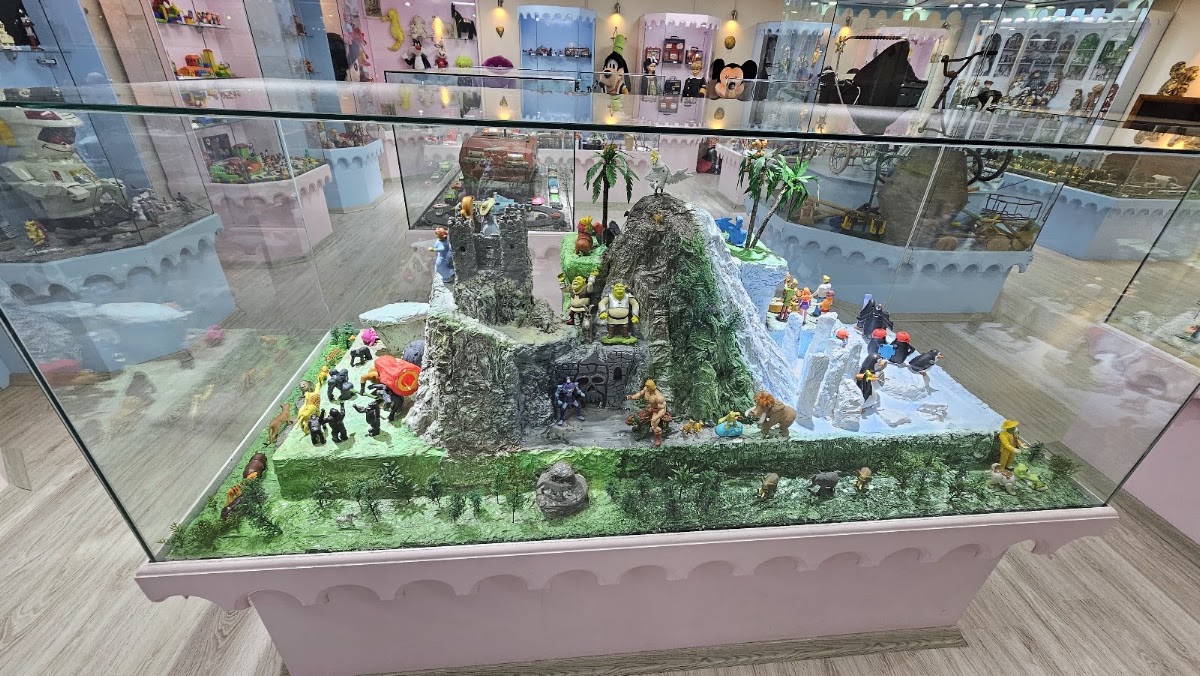
Located in the Şenevler district of Şanlıurfa, the Games and Toys Museum provides an engaging experience for children and families. The museum preserves games and toys from past eras, keeping childhood memories alive for visitors.
Visiting hours: Closed Mondays · Tuesday–Sunday 09:30–18:00
Rural Life and Agriculture Museum
Located at the Farmer Training Centre, this museum documents Şanlıurfa's agricultural heritage and rural living traditions. The museum introduces visitors to traditional farming tools and the daily life of rural communities.
Planning Your Visit
Understanding how to navigate Şanlıurfa's museums helps you make the most of your time. The Ephesus Museum visiting hours guide offers similar practical advice for museum visits in Turkey. For broader context on Ottoman painting and cultural heritage, these museums illustrate how Şanlıurfa fits into Turkey's wider artistic traditions.
If you're exploring multiple regions, museums in Muğla and museums in Kayseri offer comparable experiences in other parts of Anatolia.
Practical Tips
- Start museum visits early in the morning to enjoy less crowded conditions and better lighting in galleries.
- Wear comfortable shoes; museums cover large areas and walking is substantial.
- Bring water and sunscreen, especially when visiting outdoor sections.
- Ask at the ticket office about photography permissions, as some exhibits may have restrictions.
- Check official museum websites for current hours and any temporary closures before your visit.
- Use the MüzeKart validity checker to learn which museums accept the MüzeKart pass.
- For information on obtaining a MüzeKart, visit the MüzeKart application guide.
FAQ