City guides9 min read
Kayseri museums and archaeological sites
Explore Kayseri's museums, archaeological sites and historic monuments. From ancient Kültepe to Hunat Hatun Complex, practical visitor information.
MuseConnect editorsPublished
In this guide · 7 sections
Kayseri sits at the heart of Anatolia, preserving thousands of years of history within its borders. Artifacts from the Hittite, Assyrian, Roman, Byzantine, Seljuk and Ottoman periods converge here, creating a layered narrative of civilisation. Through its museums, open-air archaeological zones and restored historic structures, Kayseri offers history enthusiasts a genuine journey through time. This guide introduces the city's most significant museums, archaeological sites and monuments with practical visitor information.
Museums
Kayseri Archaeology Museum
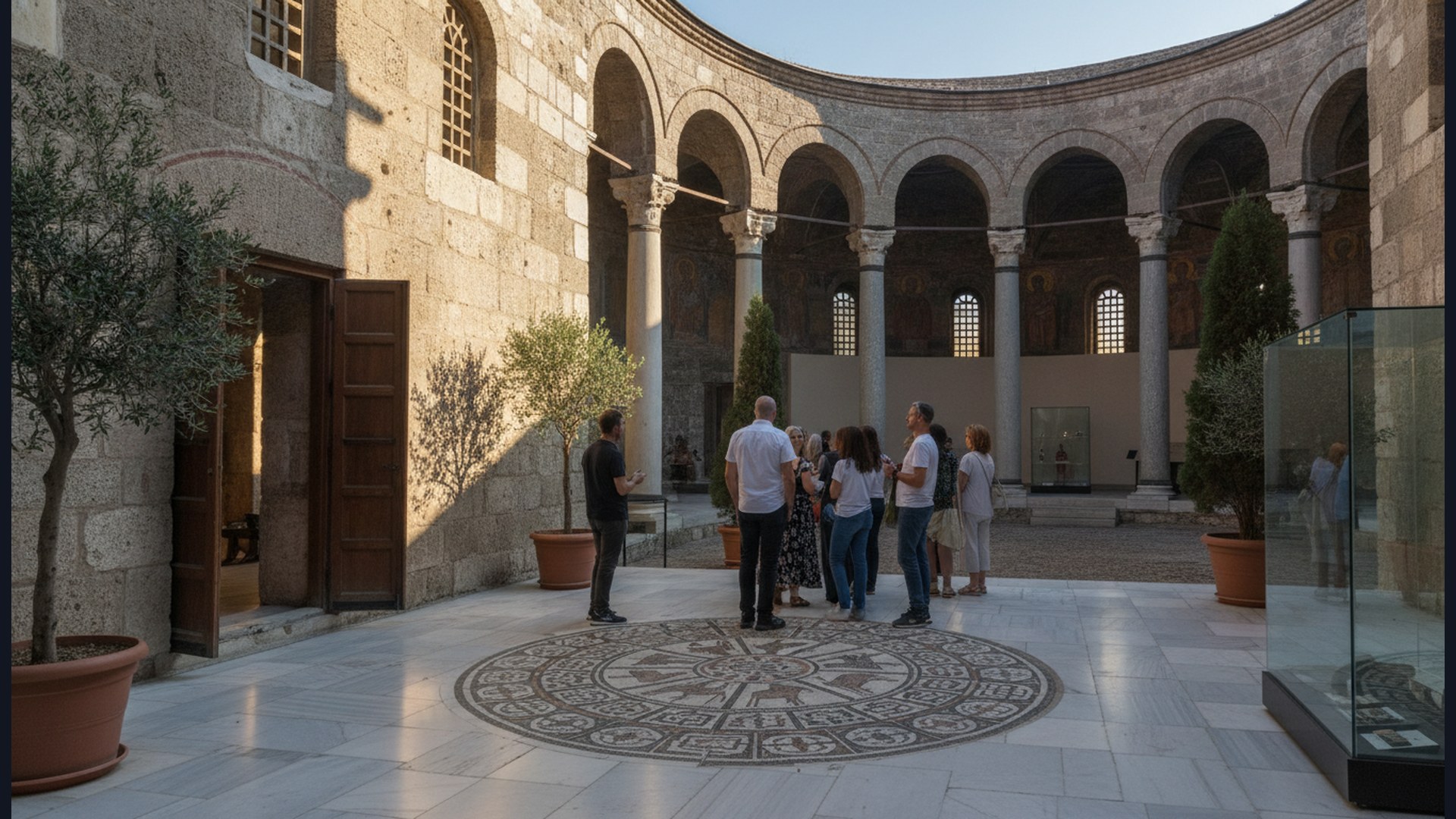
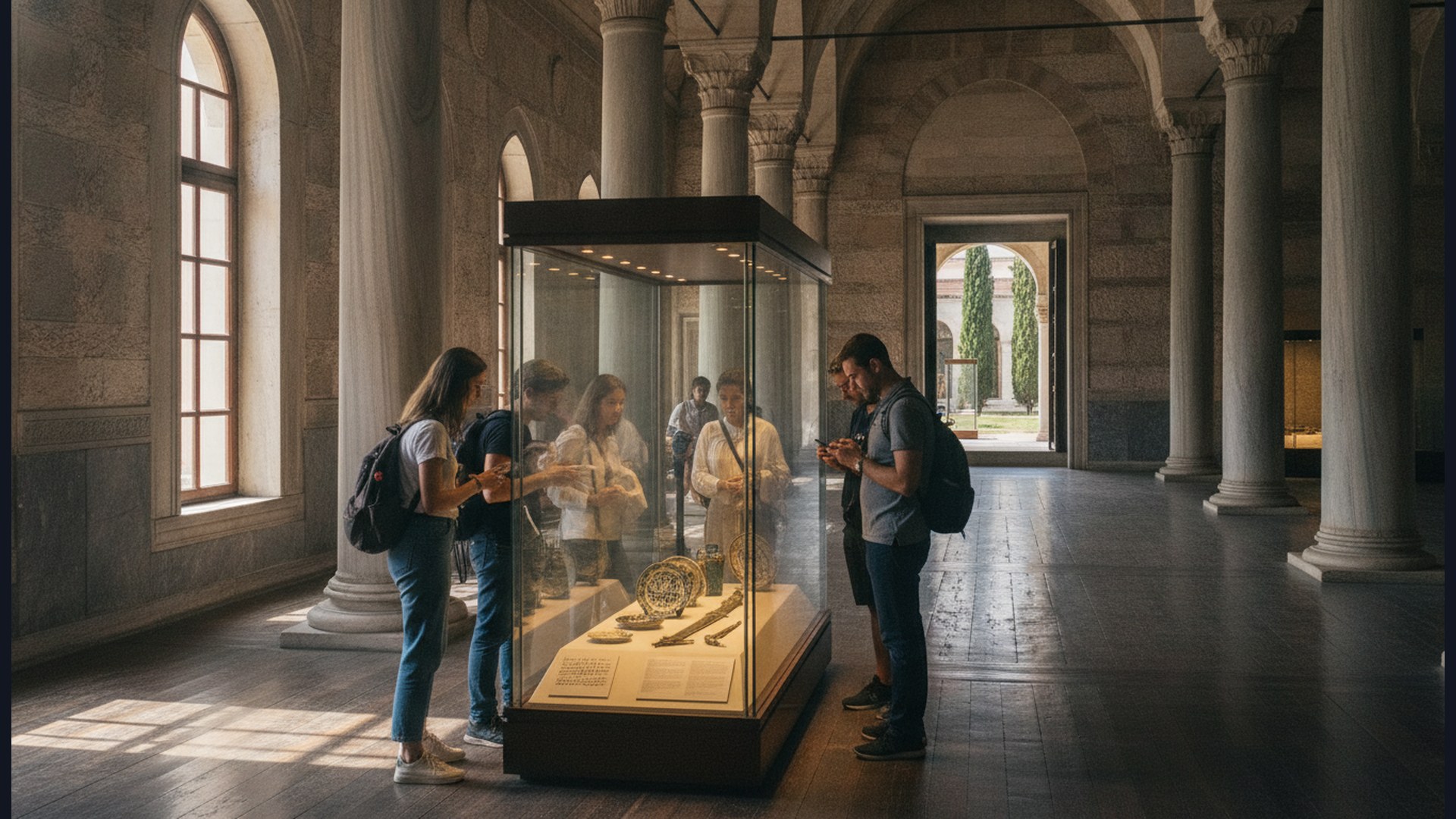
One of Kayseri's most comprehensive collections is housed here, displaying artifacts unearthed during regional excavations. Bronze Age marble pieces, Assyrian Colonial Period coins, cuneiform tablets, pottery and seals reveal Anatolia's commercial and cultural life across centuries. The museum spans 8,700 square metres and has served visitors since 1969, making it one of the region's most important archaeology institutions.
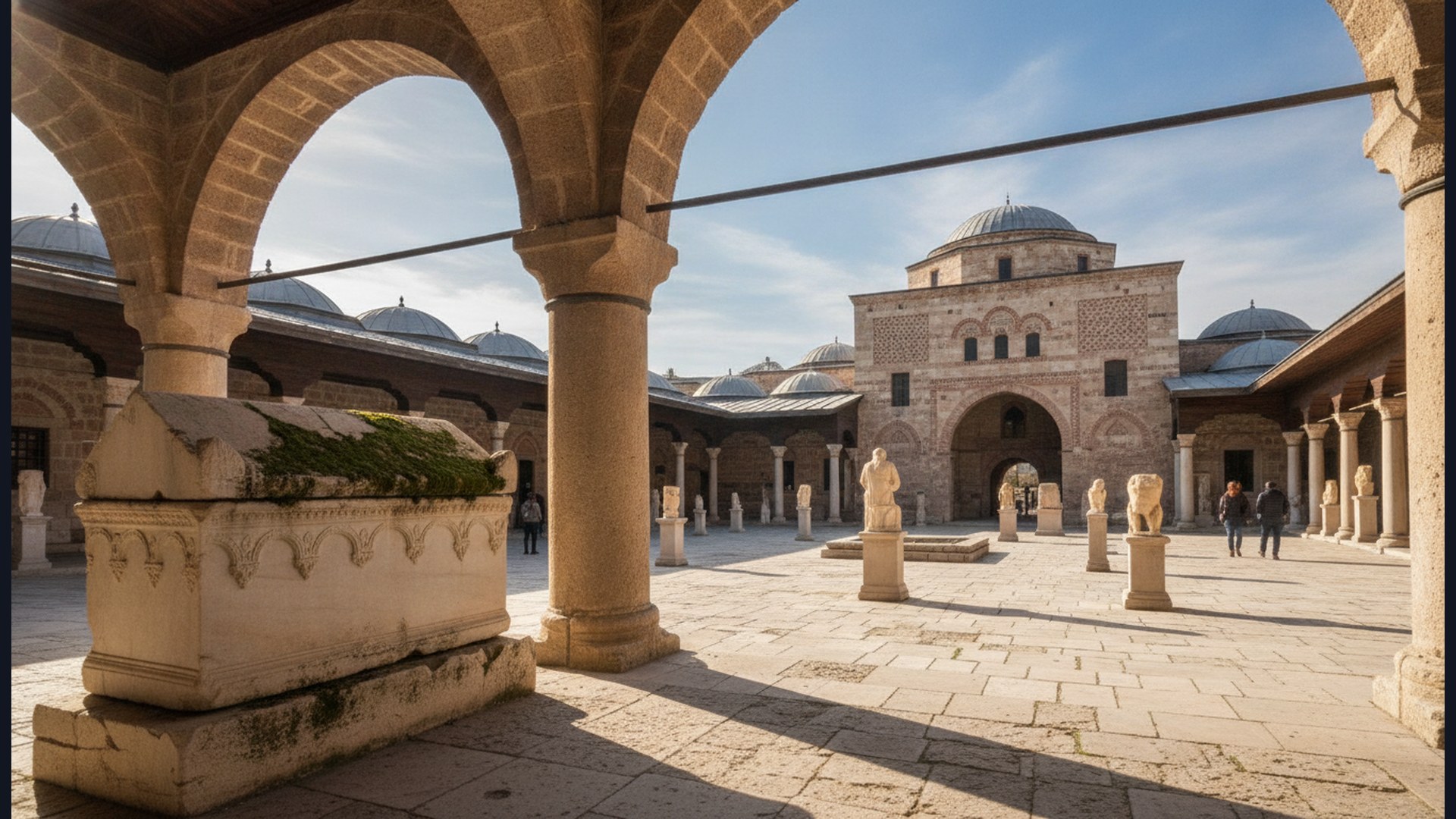
Finds from the Phrygian, Hellenistic, Roman and Byzantine periods demonstrate the museum's depth. The garden contains massive stone sculptures, grave stelae and sarcophagi. Located on Kazancılar Street in Melikgazi district, the museum provides essential context for understanding the broader archaeological landscape of central Anatolia. Check the official website for current opening hours and admission fees. Use the MüzeKart validity checker to confirm whether this museum accepts the MüzeKart pass.
Ethnography Museum
This museum is ideal for visitors seeking to understand Kayseri's traditional way of life and craftsmanship. Housed in the Hunat Hatun Medrese, it displays ethnographic objects, traditional clothing, household items and craft products that reflect centuries of local culture. Located in Gavremoğlu neighbourhood, the museum serves as an important stop for understanding the city's cultural heritage and the daily practices of its inhabitants across generations.
Gevher Nesibe Darüşşifası (Seljuk Civilisation Museum)
Built in 1206 at the bequest of Gevher Nesibe, daughter of Seljuk Sultan Kılıçarslan II, this complex is counted among the world's first medical education and healthcare centres. Known as the "Twin Medrese," the complex comprises a hospital and medical school. Today it operates as the Seljuk Civilisation Museum, where visitors can learn about medical knowledge, instruments and practices of the period. This structure in the city centre stands as an important witness to Seljuk architecture and the history of science.
Archaeological Sites and Ruins
Kültepe (Kaniş-Karum)
Located northeast of Kayseri at the foot of Mount Erciyes, Kültepe is one of Anatolia's most significant archaeological sites, famous for containing some of the oldest written records ever discovered. In the early 2nd millennium BCE, Assyrian merchants established a trading colony here, leaving behind cuneiform tablets that represent Anatolia's earliest known written documents. These tablets are now displayed in Kayseri Archaeology Museum.
The site consists of two sections: the upper city (höyük) and the lower city (Karum), functioning as an open-air museum. Excavations have revealed artifacts from the Assyrian, Neo-Hittite, Roman-Persian and Tabal periods. Located 20 kilometres along the Kayseri-Sivas highway, the site lies 2 kilometres north of the main road. The landscape and remaining structures offer tangible evidence of ancient trade networks and urban life.
 Museum Pass validValidKültepe Archaeological SiteKayseriMuseum page
Soğanlı Valley (Yeşilhisar)
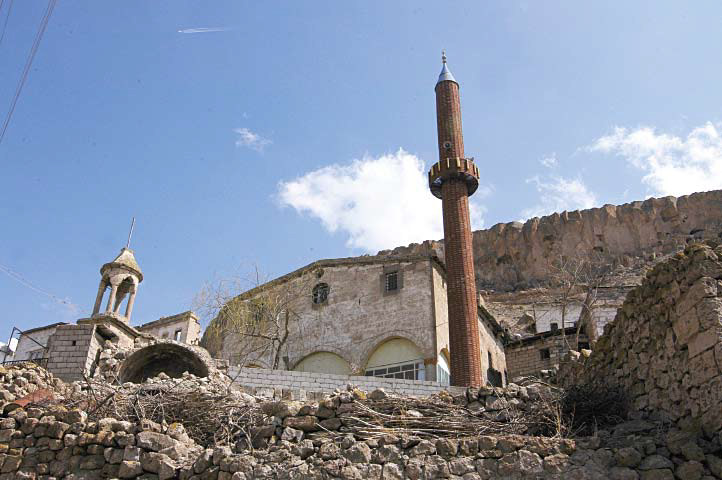
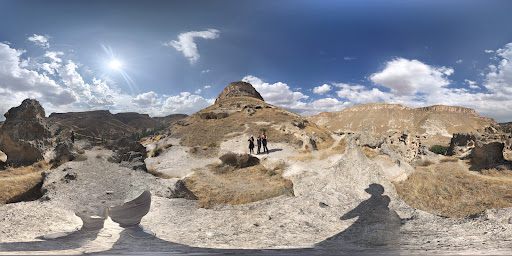
Situated in Yeşilhisar district, Soğanlı Valley draws attention for its Byzantine-era rock-cut churches and dovecotes carved into the stone. One of Cappadocia's quieter valleys, this area combines historical and natural beauty in a single setting. The village's cloth dolls hold geographical indication status. Walking through the valley allows visitors to observe Byzantine religious architecture and the daily life of the period.
 Museum Pass validValidYeşilhisar Soğanlı Archaeological SiteKayseriMuseum page
Kayseri Castle and City Walls
Located in the city centre, Kayseri Castle was founded during the Roman period (3rd century CE) and underwent repairs during Byzantine and Seljuk times. Built from black basalt stone, the structure comprises an inner and outer castle. Inside the castle stand the Fatih Sultan Mehmet Mosque and the historic bazaar. Impressive towers and bastions reflect the defensive architecture of their era. Easily accessible from the city centre, the castle is Kayseri's symbolic landmark.
Historic Structures and Complexes
Hunat Hatun Complex
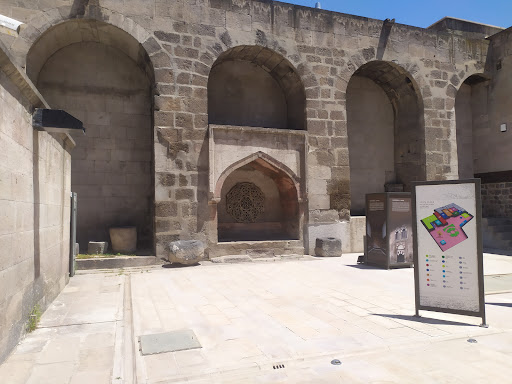
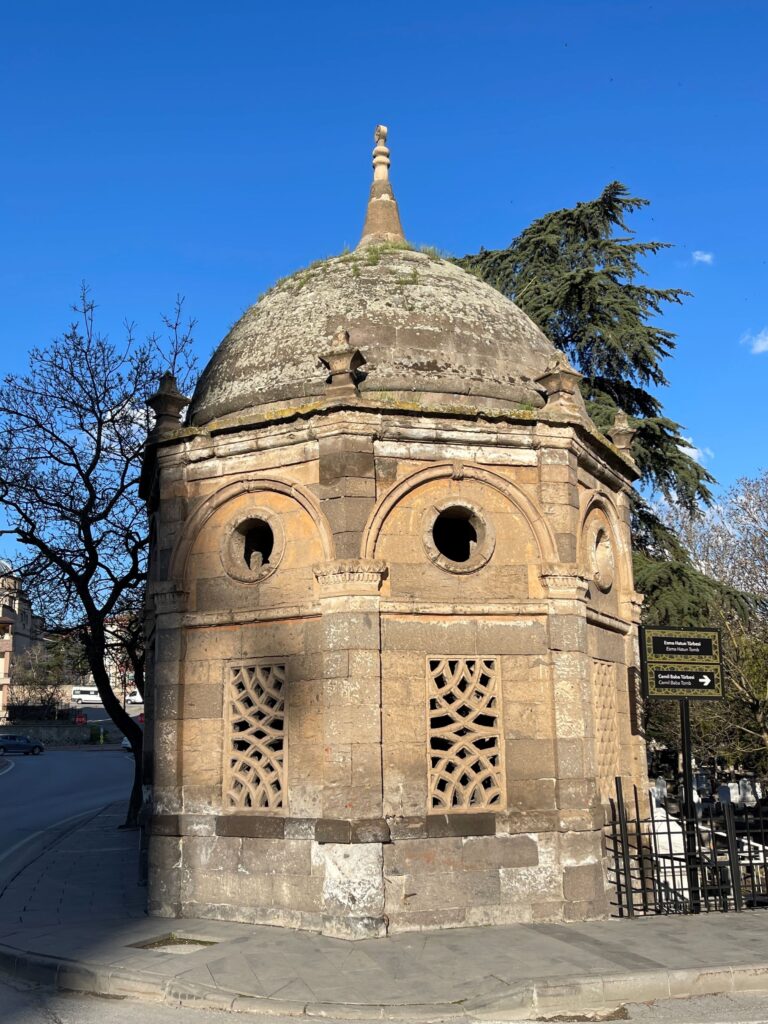
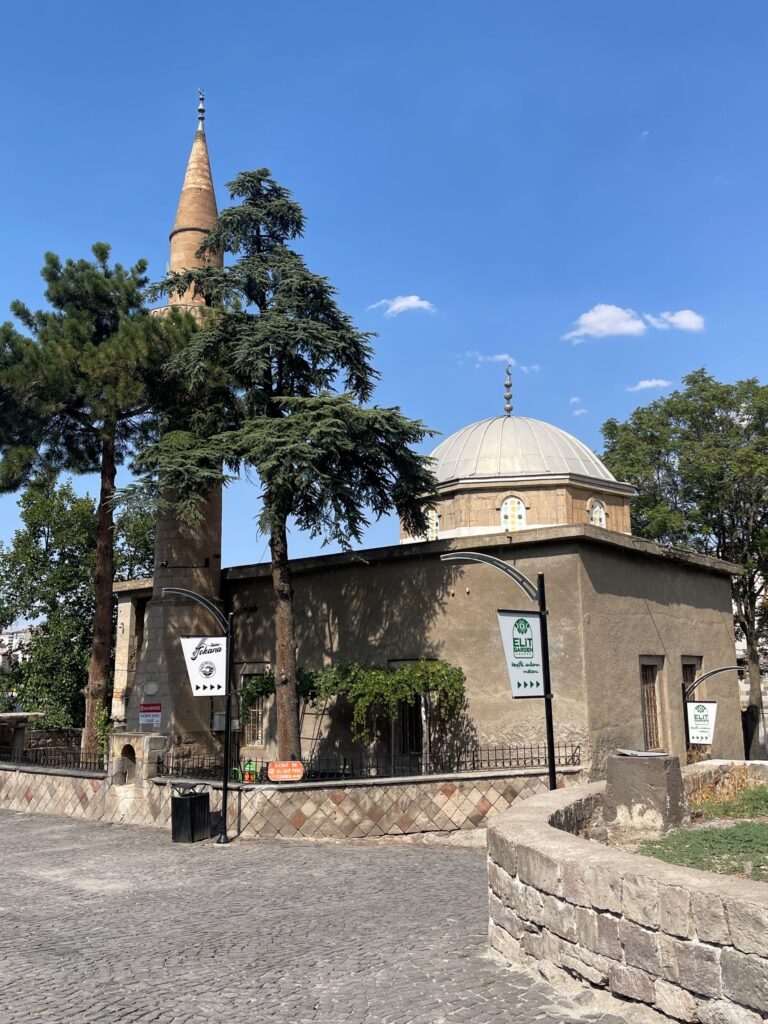
One of the most important structures from the Anatolian Seljuk period, Hunat Hatun Complex was commissioned in 1238 by Mahperi Hunat Hatun, wife of Sultan Alaeddin Keykubad I. The complex comprises a mosque, medrese, bathhouse and mausoleum, representing one of the first large complexes commissioned by a woman in Anatolia. The structure exemplifies the refined elegance of Seljuk architecture and stands in the city centre. Restoration work has preserved much of its original appearance.
Kurşunlu Mosque (Mimarsinan Mosque)
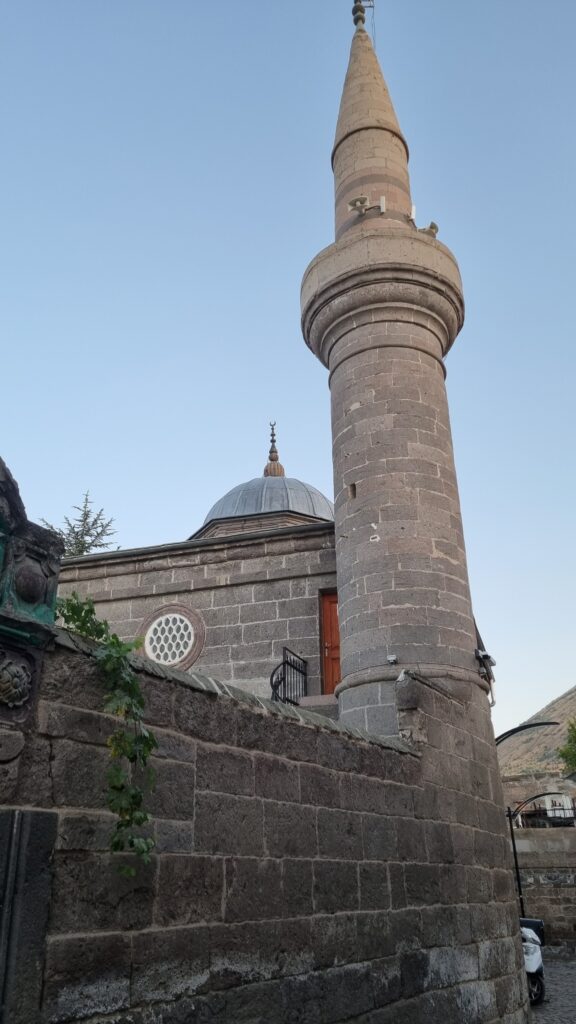
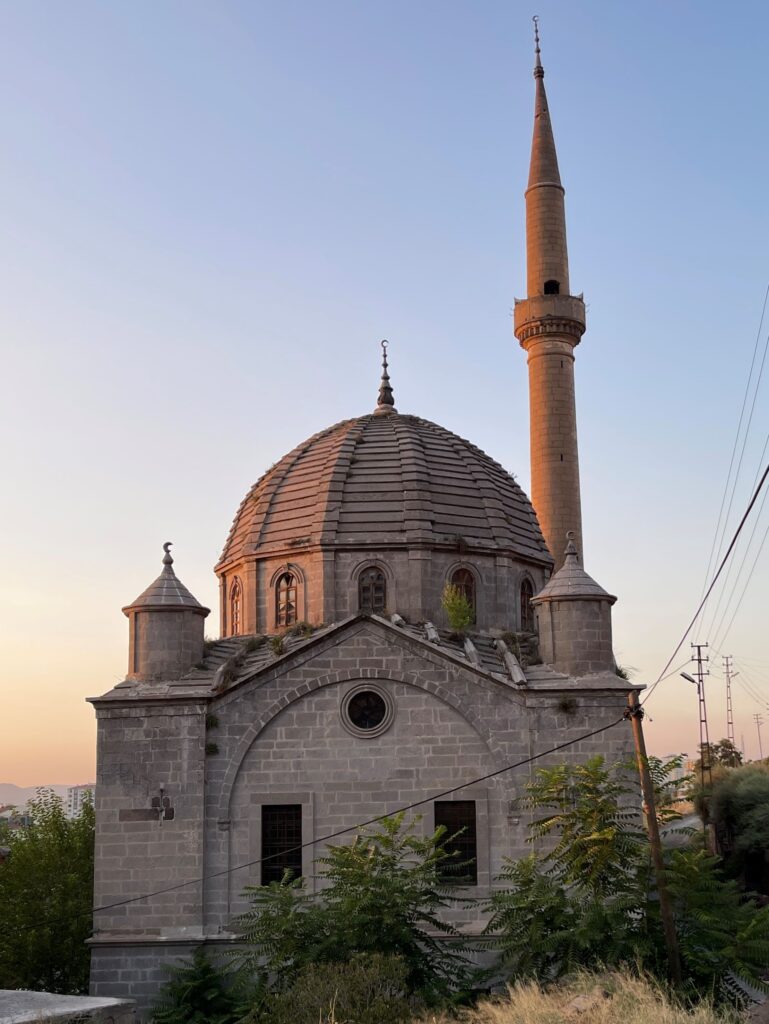
Located in Republic Square, Kurşunlu Mosque is an example of the work of Mimar Sinan, the legendary architect of the Ottoman period. Built in 1585, the mosque's marble entrance gate is particularly striking. The dome's complete covering in lead gives the mosque its name. The interior offers a spacious and peaceful atmosphere.
Döner Kümbet
Situated on the Talas road, Döner Kümbet was built in 1276 for Şah Cihan Hatun, daughter of Sultan Alaeddin Keykubad I. Its twelve-sided structure and reliefs featuring human-headed lions, double-headed eagles and tree-of-life motifs represent important examples of Seljuk art and architecture. The fineness of the stonework makes this monument worth visiting.
Seyyid Burhaneddin Mausoleum
Located on Talas Street, this mausoleum is one of Kayseri's spiritually and touristically significant structures. Seyyid Burhaneddin was a pioneering figure in Anatolian Sufism and religious education. The mausoleum's architecture and interior decoration reflect Seljuk religious building traditions.
Sahabiye Medrese
Built in 1267–68 by Sahib Ali bin Hüseyin during the reign of Sultan Gıyasettin Keyhusrev III, this medrese is an important example of Seljuk educational architecture. The medrese's inscription identifies Sahib Ata Fahreddin, a renowned Seljuk vizier, as its patron. Located in the city centre and recently restored, the medrese remains a testament to Seljuk learning.
Hacı Kılıç Mosque and Medrese
Located on Station Street and dated to 1249, this mosque and medrese resemble a castle with their corner towers. The arches, ornamental gates and the mihrab's flawless stonework exemplify Seljuk artistic tradition. The structure's architecture reflects the religious building practices of its era.
Natural Areas
Mount Erciyes and Ski Resort
Located 25 kilometres south of Kayseri, Mount Erciyes rises to 3,916 metres, making it the highest peak in central Anatolia. An extinct volcano, the mountain serves as a ski resort during winter months. The ski centre, positioned between 2,150 and 3,400 metres, ranks among Turkey's largest ski areas. The season typically runs from December through April. In summer, the mountain offers ideal conditions for hiking and nature excursions.
Sultansazlığı National Park
Located between Develi, Yahyalı and Yeşilhisar, Sultansazlığı comprises marshland and lakes surrounded by Mount Erciyes and the Aladağlar range. This wetland sits on the migration route of flamingos, cranes and pelicans, making it one of the region's most important bird habitats. Nature photographers and birdwatchers find this destination particularly rewarding.
Kapuzbaşı Waterfalls
Located in Kapuzbaşı village near Yahyalı, in the Zamantı River valley, these natural spring waterfalls lie approximately 145 kilometres from Kayseri. The area's natural beauty attracts visitors, particularly during spring and summer months, making it a favoured destination for those seeking outdoor experiences.
Aladağlar National Park
Situated along the borders of Kayseri, Niğde and Adana provinces, Aladağlar National Park contains the highest peaks of the Taurus Mountains. Designated a national park in 1995, this mountainous area is renowned for climbing and trekking routes. Nature enthusiasts and adventure seekers find diverse activity options throughout the park.
Other Important Places
Talas Historic Houses
Located 8 kilometres east of Kayseri, Talas is known for its stone mansions dating from the 19th century. The Church of Mary and the slopes of Ali Mountain preserve the town's historic character. Talas is an important area for observing Ottoman residential architecture.
Mimar Sinan House (Ağırnas)
Located in Ağırnas neighbourhood, part of Melikgazi district, Mimar Sinan House marks the birthplace of the Ottoman Empire's legendary architect. The house has been arranged as a museum, offering visitors information about Mimar Sinan's life and works. As an example of Ottoman residential architecture, the structure holds significance for cultural tourism.
Ahi Evran Zaviye (Craftsmen and Artisans Museum)
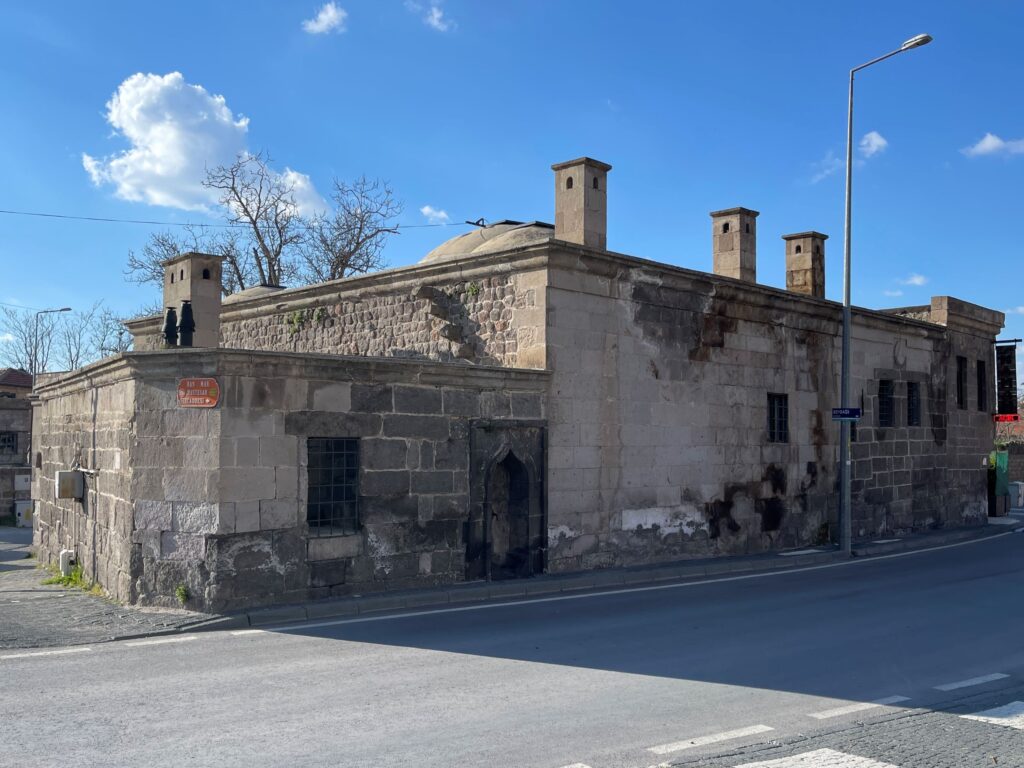
This zaviye belonged to Ahi Evran, founder of the ahi guild system that shaped Kayseri's and central Anatolia's destiny in the 13th century. Today it operates as the Craftsmen and Artisans Museum. As one of the earliest examples of its kind in Anatolia, the structure holds particular importance. Located on Mustafa Kemal Paşa Boulevard in Sahabiye neighbourhood, the museum provides information about traditional crafts and guild culture.
Practical Tips
- Getting there: Kayseri has Erkilet Airport. Short transfer times connect the airport to the city centre. Public transport and taxi services operate throughout the city.
- Time to spend: Allow 2–3 days to comfortably visit museums and historic structures. Extend your stay if you plan to visit archaeological sites as well.
- Best time to visit: Spring (April–May) and autumn (September–October) offer ideal conditions for exploring Kayseri. Summers are hot and winters can be cold with snow.
- MüzeKart: Most museums in Kayseri accept the MüzeKart pass. Learn about how to obtain MüzeKart and its pricing. Use the MüzeKart validity checker to confirm which museums accept it.
- Guided tours: Professional guides offer detailed information about museums and historic structures. Contact Kayseri Municipality or the Provincial Culture and Tourism Directorate for guidance services.
- Local cuisine: Don't miss Kayseri's famous dishes: manti (stuffed pasta), pastirma (cured meat) and tepsii (layered meat dish). Find these specialities in the historic Covered Bazaar.
- Souvenirs: Bunyan and Yahyalı carpets, cloth dolls, mother-of-pearl items and regional products make excellent souvenirs from Kayseri.
- Nearby destinations: From Kayseri, you can easily reach the Cappadocia region (Nevşehir, Göreme) and Soğanlı Valley. For a more comprehensive exploration, consult the Cappadocia cultural tourism guide.
FAQ