City guides7 min read
Museums in Mugla: Complete visitor guide
Explore museums and archaeological sites in Mugla, Turkey. Bodrum, Fethiye, Marmaris and more. Practical tips and visitor information.
MuseConnect editorsPublished
In this guide · 10 sections
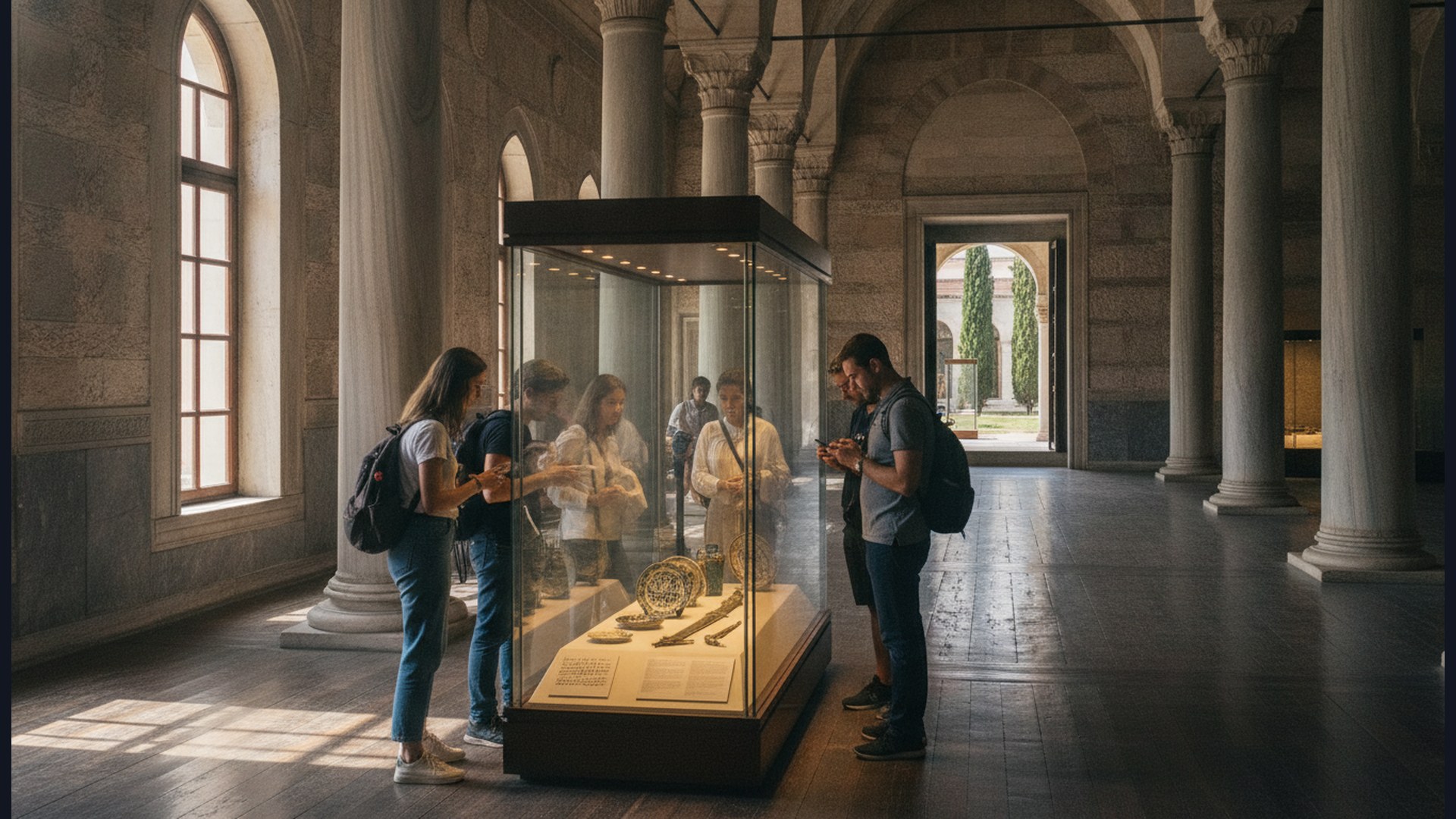
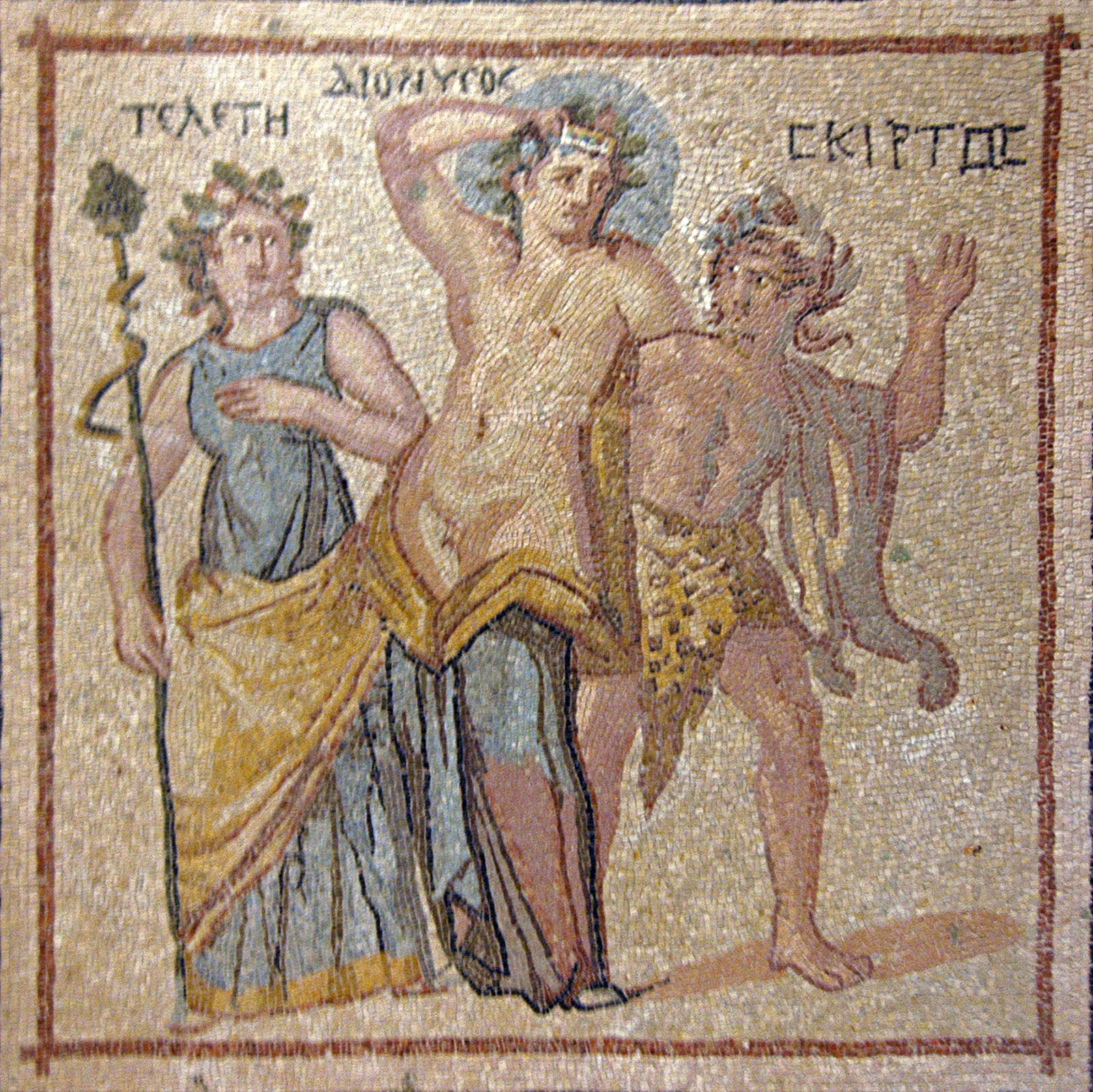
Mugla province holds some of the Mediterranean's richest archaeological heritage. Ancient Greek civilizations left their mark across this region, and today museums and open-air sites keep that history alive. This guide covers the main museums and archaeological sites in Mugla, with practical details to help you plan your visit.
Overview of Museums in Mugla
Mugla province contains approximately 15 museums and archaeological sites spread across the city center and towns like Bodrum, Fethiye, Marmaris, and Milas. Each venue focuses on different periods and collections—some display underwater archaeology, others showcase ethnography, art, or natural history. Many are eligible for the MüzeKart, a state museum pass that works across Türkiye.
Bodrum Museums
Bodrum Underwater Archaeology Museum
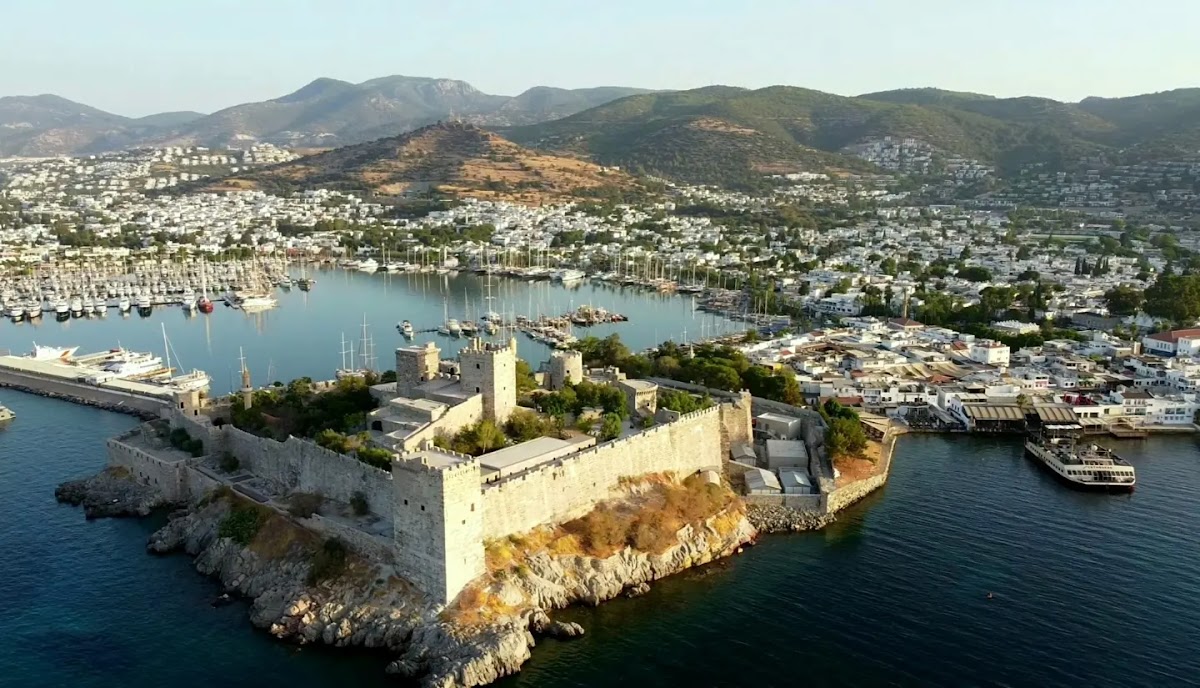
Located inside Bodrum Castle, this museum is renowned for artifacts recovered from underwater excavations. Ancient shipwrecks and harbor finds reveal maritime trade routes and naval history. The collection spans centuries of seafaring and commerce. Check MüzeKart validity before your visit.
Bodrum Mausoleum Monument Museum
This museum explores ancient burial monuments and funerary practices. Through archaeological finds and reconstructions, visitors learn how the ancients honored their dead. The displays illuminate customs and beliefs surrounding death in antiquity.
Bodrum Ancient Theatre
This partially preserved ancient theatre demonstrates Greek engineering and architectural skill. The structure's acoustics and design showcase the sophistication of classical theatre construction. The site remains open to visitors who wish to experience the scale and setting of ancient performances.
Bodrum Serçe Harbor Glass Wreck Exhibition Hall
Artifacts from the Serçe Harbor shipwreck near Bodrum are displayed here, featuring medieval glassware and trade goods. The collection illustrates the importance of maritime commerce and glass production in the medieval period.
Bodrum Zeki Müren Art Museum
This museum celebrates the life and artistic legacy of renowned performer Zeki Müren. Visitors interested in Turkish music and cultural history will find this a rewarding stop.
Fethiye Museums and Sites
Fethiye Museum
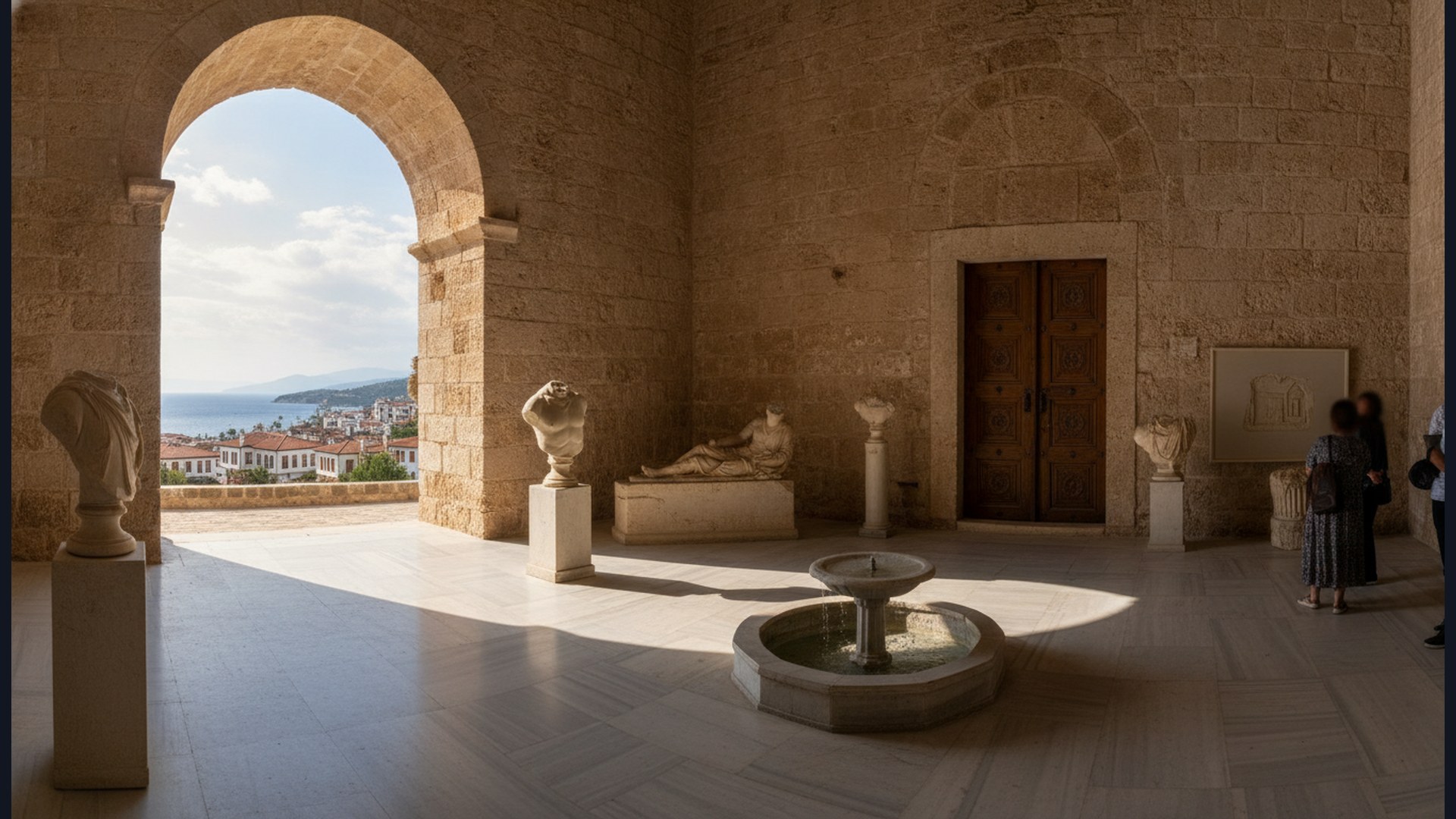
The Fethiye Museum presents the region's archaeological and ethnographic collections. Ancient statues, inscriptions, and everyday objects from classical periods fill the galleries. Entry is free to enter.
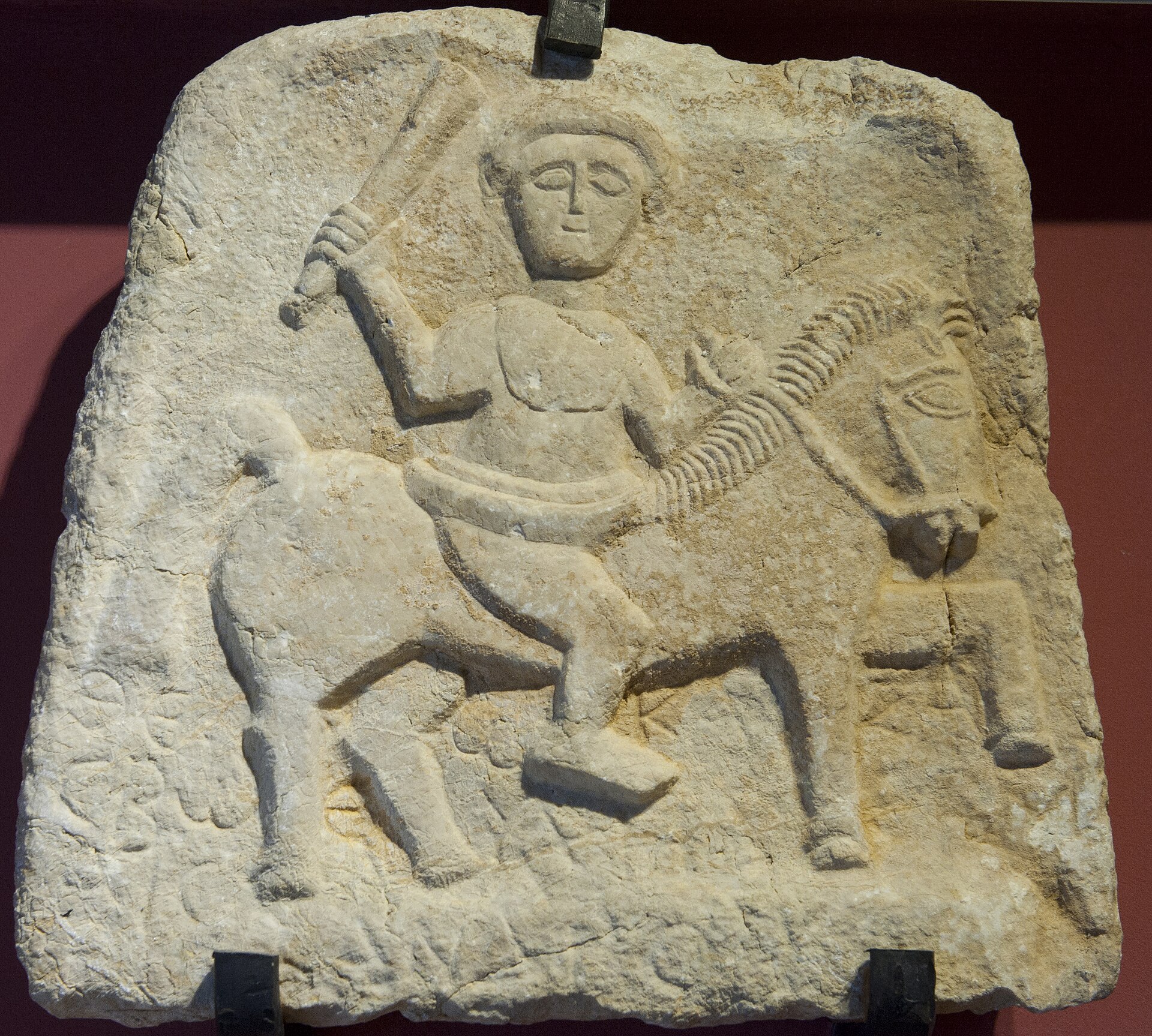 Museum Pass validValidFethiye MuseumMuğlaMuseum page
Amintas Rock Tombs
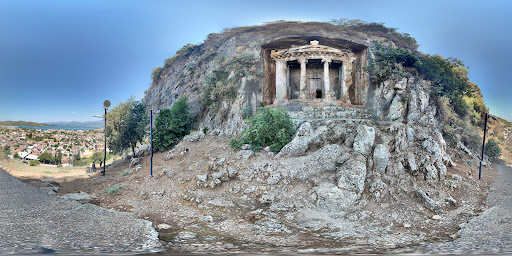
These rock-cut tombs are Fethiye's iconic landmark and an important Lycian burial complex. Carved directly into the cliff face, the tombs demonstrate the architectural ambitions of ancient Lycia. Check the official website for current admission fees.
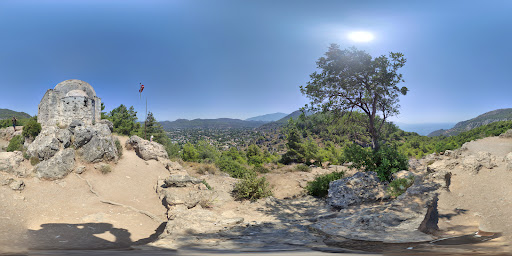
Kayaköy Archaeological Site
Kayaköy preserves the remains of an abandoned Greek village. Stone houses, churches, and streets reflect early 20th-century life before the population exchange. The site offers insight into recent history alongside ancient heritage. MüzeKart is valid here.
 Museum Pass validValidFethiye Kayaköy Archaeological SiteMuğlaMuseum page
Letoon Archaeological Site
Letoon was the sacred center of Lycia, dedicated to three goddesses. Temples and religious structures reveal the spiritual life of ancient Lycians. Archaeological excavations continue to uncover details of religious practice and worship. MüzeKart is accepted.
Pinara Archaeological Site
Located near Fethiye, Pinara features Lycian rock tombs and ancient structures. The site provides context for understanding settlement patterns and burial customs in classical Lycia.
Tlos Archaeological Site
One of Lycia's most important cities, Tlos spans a large archaeological area. An ancient theatre, temple foundations, and residential remains welcome visitors to explore the urban layout of a major classical settlement.
Marmaris Museums
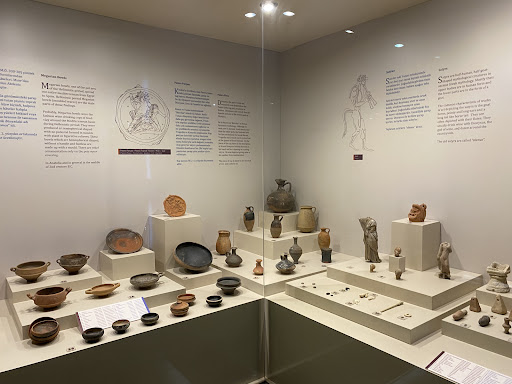
Marmaris Museum
The Marmaris Museum showcases the region's archaeological heritage. Ancient ceramics, statues, and inscriptions form the core collection. MüzeKart holders can visit.
 Museum Pass validValidMarmaris MuseumMuğlaMuseum page
Marmaris Halici Ahmet Urkay Museum
This museum focuses on traditional carpet weaving and ethnographic artifacts. It provides valuable insight into Mugla's cultural traditions and craftsmanship. Entry is free to enter.
Milas Museums and Sites
Beçin Castle
Near Milas, Beçin Castle is a medieval fortress with significant archaeological importance. Excavations at the site have revealed details about the region's medieval history. MüzeKart is valid.
Gümüşkesen Monument
This ancient burial monument in Milas exemplifies classical Greek funerary architecture. The stonework and design reflect the refinement of ancient Greek sculptural tradition.
Iassos Fish Market Museum
Near Milas, the ancient city of Iassos was known for maritime trade and fishing. The Fish Market Museum illustrates the economic life and daily commerce of antiquity. Entry is free to enter.
Labranda Archaeological Site
One of Lycia's major sacred centers, Labranda features temple structures and religious buildings. The site illuminates the spiritual and architectural priorities of classical Lycian society.
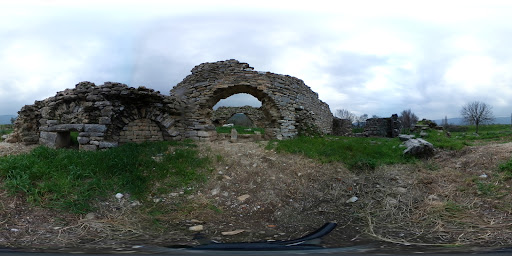
Euromos Archaeological Site
Near Milas, Euromos is celebrated for its well-preserved temple ruins. Standing columns and structural remains offer striking examples of classical architecture.
 Museum Pass validValidMilas Euromos Archaeological SiteMuğlaMuseum page
Mugla City Center Museums
Mugla Archaeology Museum
Located in central Mugla, this museum displays the region's archaeological treasures. Ancient statues, ceramics, and inscriptions document the area's classical past. Entry is free to enter.
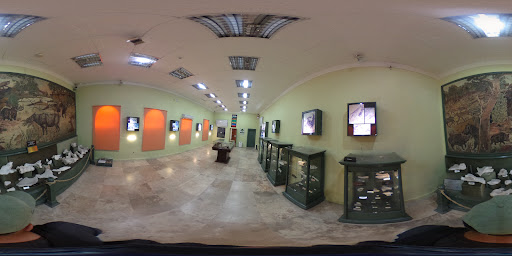
Mugla Museum
The Mugla Museum holds the distinction of being Türkiye's first and only natural history museum. Fossils, ethnographic pieces, and archaeological objects are arranged across three main sections and an art gallery. The collections span geology, cultural heritage, and contemporary art. Entry is free to enter.
 Museum Pass validValidMuğla MuseumMuğlaMuseum page
Kopya Sculpture Works Museum
Located in Menteşe district, this museum displays sculpture art and replica works. It appeals to those interested in sculptural technique and art history. Entry is free to enter.
Additional Archaeological Sites
Datça Knidos Archaeological Site
At the tip of the Datça Peninsula, Knidos was an important ancient trade hub. An ancient theatre, temples, and harbor structures remain visible. The site illustrates the commercial and cultural significance of classical port cities.
Kaunos Archaeological Site
Near Köyceğiz, Kaunos preserves important examples of ancient architecture. Rock tombs and classical structures reveal the region's historical richness and settlement patterns.
Lagina Archaeological Site
Near Yatağan, Lagina is known for its ancient temple complexes. Archaeological finds provide evidence of religious practice and ritual in antiquity.
Practical Tips
- Opening hours for museums and sites vary by season; check official websites for current times before visiting.
- Many museums and archaeological sites accept the MüzeKart. Use the validity checker to confirm which venues honor it.
- Bodrum, Fethiye, and Marmaris museums tend to be less crowded in early morning hours during peak season.
- Archaeological sites are open-air; bring sun protection and water, especially in summer.
- Guided tours are available at major sites and provide deeper context for archaeological findings.
- Plan a logical route through nearby museums to save travel time and maximize your visit.
- Many sites require comfortable walking shoes and modest sun exposure; dress accordingly.
Other museums in this guide
 Muğla Archaeology MuseumMuğlaMuseum page
FAQ