Works and artists5 min read
Ottoman Sultans Table Museum: Stories and Significance
Explore Ottoman sultan portraits at Panorama 1453 History Museum. Learn the history, artistry, and cultural importance of 36 imperial portraits.
MuseConnect editorsPublished
In this guide · 6 sections
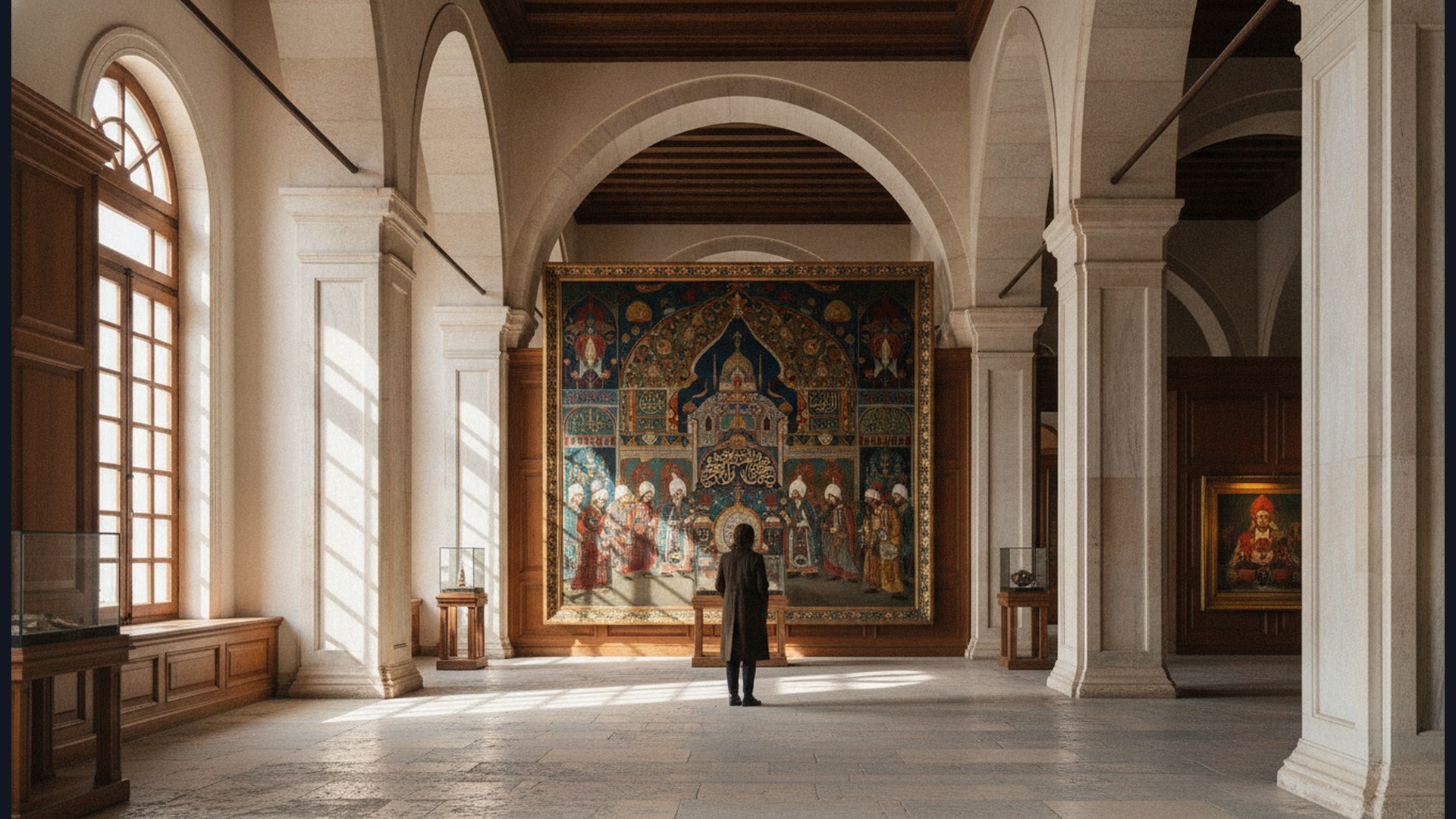
Ottoman sultan portraits spanning from the empire's foundation to its final era tell the political and cultural history of one of history's greatest powers through visual narrative. These works are far more than paintings; they are historical documents that record the empire's strength, transformation, and lasting legacy. The collection displayed at Panorama 1453 History Museum offers visitors an authentic glimpse into Ottoman court art and imperial portraiture.
The Origins and Meaning of Sultan Portrait Collections
The tradition of genealogical trees in the Ottoman palace began as a way to demonstrate sultans' lineage and legitimacy. Three "genealogical" paintings created during the reign of Sultan Abdülhamid I (1774–1789) are preserved in the National Palaces Collection. In these compositions, sultan portraits cover the entire surface, showing each ruler's chronological place within the state's hierarchy.
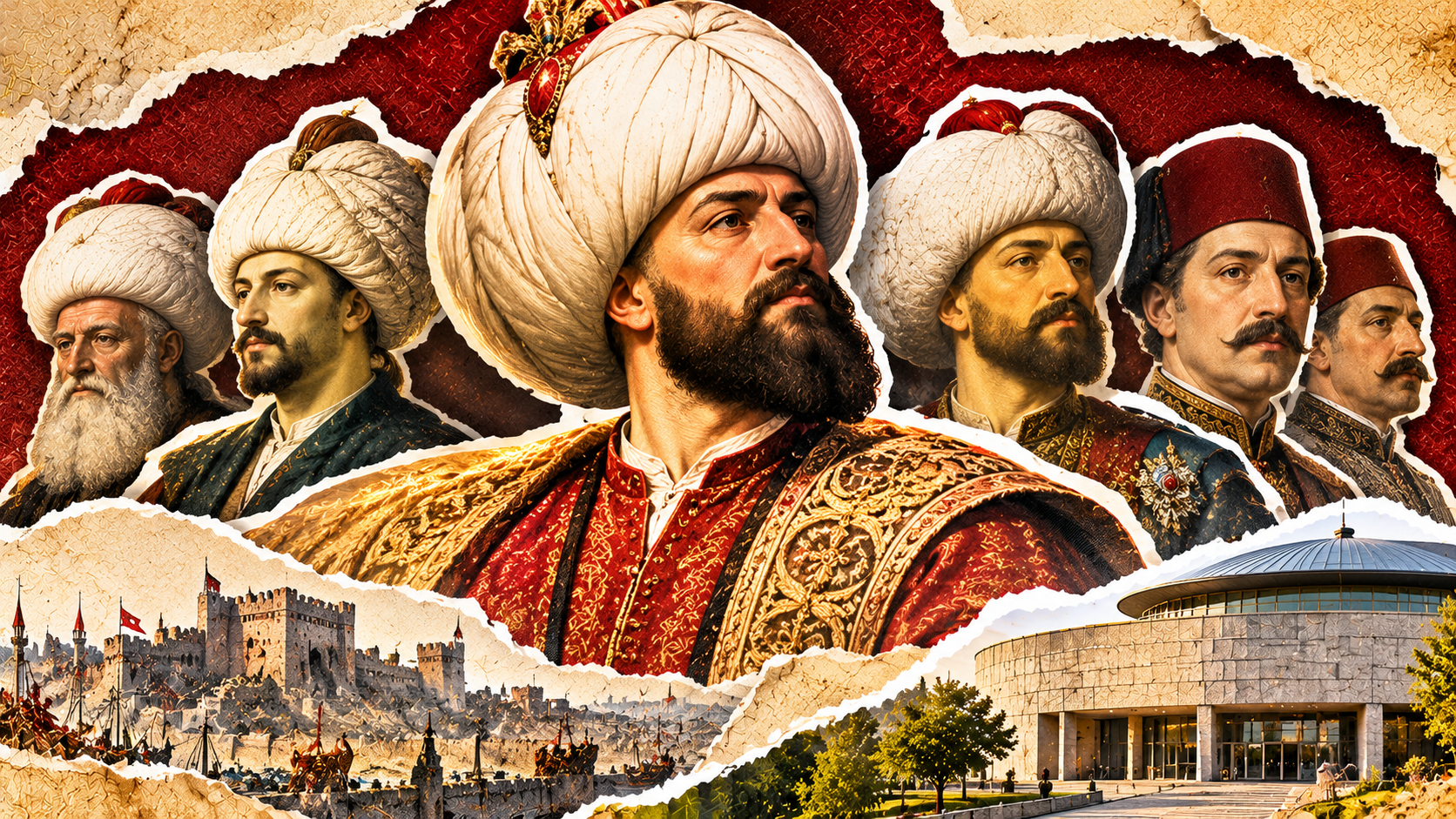
The exhibition at Panorama 1453 History Museum features portraits of 36 sultans, beginning with Osman Gazi and extending to the final sultan, Vahdettin. This collection, sourced from the Atatürk Library, presents Ottoman history as a visual timeline—from the empire's establishment through its rise and final period.
Artistic Technique and Portrait Characteristics
Ottoman sultan portraits were created across different centuries by various artists. Works such as Gentile Bellini's portrait of Fatih Sultan Mehmed reflect Renaissance tradition from the 16th century, while 19th-century oil paintings demonstrate the integration of Western artistic techniques into Ottoman court art.
The portraits incorporate official regalia, symbols, and markers of imperial authority. Engraved series, including colored engravings dating to 1815 that span from Osman Gazi to Mahmud II, emphasize each sultan's distinctive features. These works represent important documents of Ottoman art history, and restoration and conservation efforts continue to preserve them for future generations.
National Palaces Painting Museum
The National Palaces Painting Museum holds the sole representation of Ottoman court painting, preserving collections from the 16th to 20th centuries that sultans acquired and commissioned. Expert teams in the museum's restoration and conservation workshop bring these works back to displayable condition through careful, specialized work.
Significant pieces such as genealogical paintings undergo meticulous restoration processes. This work is critical to preserving Ottoman cultural heritage and passing it on to future generations.
The Exhibition at Panorama 1453 History Museum
The Sultan Portraits exhibition is located at the museum entrance and on the -1 level of Panorama 1453 History Museum. The museum recreates the conquest of Istanbul on 29 May 1453 through panoramic painting, sound, and drawings. The exhibition presents a chronological selection that visually narrates Ottoman history from the empire's founding to its final days.
The museum sits within the Topkapı Cultural Park in Istanbul's historic peninsula. Visitors can access the portrait collection from either the main entrance or by descending to the lower level, where both locations feature the imperial portraits.
Why These Portraits Matter
Sultan portraits serve as more than decorative art; they function as historical records of imperial identity and state power. Each portrait reflects the artistic conventions and political messaging of its era. The progression from Renaissance-influenced works to 19th-century academic painting shows how Ottoman court art evolved while maintaining its distinctive character.
The collection's span—covering sultans from the 14th century through the early 20th century—makes it invaluable for understanding how the empire's visual representation of authority changed over time. Studying these portraits reveals shifts in costume, symbolism, and artistic style that mirror broader transformations within Ottoman society and governance.
Practical Tips
- Allow 45 minutes to one hour to carefully examine the Sultan Portraits exhibition; each portrait carries the history of its subject and era.
- Access the exhibition from either the museum entrance or the -1 level; both locations display the imperial portraits.
- Check the official museum website for current opening hours before your visit.
- Ask museum staff about photography policies; some exhibitions may restrict photography.
- Plan additional time to explore other exhibitions within the museum complex, such as the Miniatures and Conquest display.
- The museum is located in Istanbul's historic peninsula within Topkapı Cultural Park, making it easy to combine with visits to nearby historical sites.
- Consider reading about Ottoman history before your visit to deepen your appreciation of the portraits and their context.
FAQ