 MüzeKartGeçerli
Pergamon Museumvisitor guide.
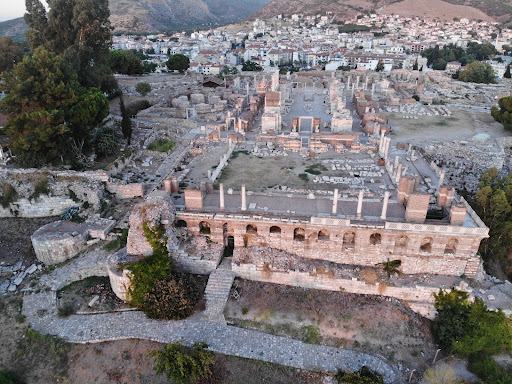
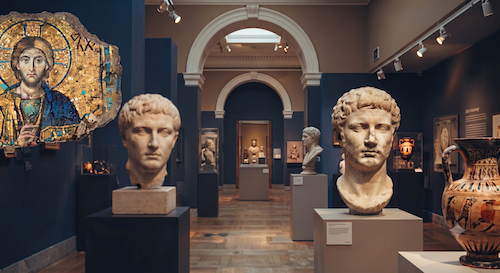
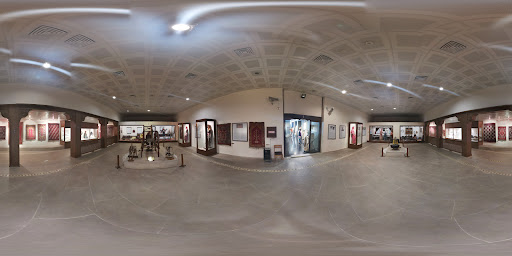
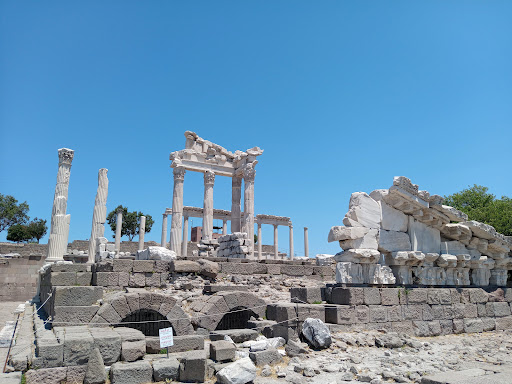
As one of the earliest discovered ancient sites in Anatolia, initial research at Pergamon began following the 1865 discovery of the high reliefs of the Great Altar of Zeus inside the Byzantine wall of the Acropolis. These investigations turned into official excavations under C. Humann and A. Conze between 1878 and 1886, with a small repository museum established in the excavation house garden to protect unearthed finds. Excavations at the Acropolis continued under W. Dörpfeld, H. Hepding, and P. Schatzmann between 1900 and 1913. As excavations commenced at the Asklepion alongside the Acropolis, growing finds outgrew the facility. In 1924, a portion of the antiquities was transferred to a downtown building used in 1934 as the Community Center (Halkevi). In 1928, Osman Bayatlı was appointed museum director, adding ethnographic artifacts illuminating regional heritage alongside archaeological antiquities. In 1932, Marshal Fevzi Çakmak visited Bergama and ordered the construction of a purpose-built museum. Designed by architects Bruno Meyer and Harold Hanson inspired by the plan of the Altar of Zeus, the museum's foundation was laid in 1933 under İzmir Governor Kazım Dirik on a former cemetery site. Completed on October 30, 1936, the Pergamon Museum was opened to visitors by İzmir Governor Fazlı Güleç. The majority of exhibits comprise finds unearthed in excavations at the Acropolis, Asklepion, Red Basilica (Serapeion), and Musalla Cemetery, alongside discoveries from nearby ancient Pitane (Çandarlı), Myrina (Güzelhisar), and Gryneion (Yeni Şakran), rescue digs at the Kestel and Yortanlı (Allianoi) dams, and excavations in Bergama and Dikili Çandarlı. The archaeological chronology spans from the Bronze Age through the late Ottoman era, including Bronze Age pottery, Yortanlı vessels, and beak-spouted jugs. Locally produced wares distinctive to Pergamon—Megarian bowls, appliqué ceramics, Pergamon sigillata, oil lamps, and cistophoric coins first minted here—form other notable groups. The ethnography section preserves a rich collection reflecting regional social life and cultural traditions: traditional costumes of regional Yörük, Turkmen, and Çepni clans, bridal and daily wear, carpets and saddlebags classified from Yuntdağı, Kozak, and Yağcıbedir, as well as the personal garments of local folk hero Tuzcu Efe worn during the War of Independence. DOWNLOAD MUSEUM BROCHURE NEARBY MUSEUMS EPHESUS ARCHAEOLOGICAL SITE PERGAMON ASKLEPION ARCHAEOLOGICAL SITE EPHESUS MUSEUM ST. JOHN ARCHAEOLOGICAL SITE AGORA ARCHAEOLOGICAL SITE EPHESUS TERRACE HOUSES
Let AI build your tour plan
Pergamon Museum
3-Stop Personal Tour Plan
VISIT INFO
Museum visit information
Address
Zafer, Cumhuriyet Cd. No:10, 35725 Bergama/İzmir, Türkiye
Ticket
Not listed
Opening Hours
- Opening08:30
- Closing17:30
- Box office closing17:00
- Closed daysOpen every day
Phone
02326312884
GUIDES
Before you visit
Frequently Asked Questions (Pergamon Museum)
Opening: 08:30 · Closing: 17:30 · Box office closing: 17:00 · Closed days: Open every day
Neleri Meşhur İşbirliği
Pergamon Museum çevresinde ne meşhur?
Neleri Meşhur'da bakın — lezzet, gezi ve yöresel keşif tek yerde.
İZMİR
Explore in the same city
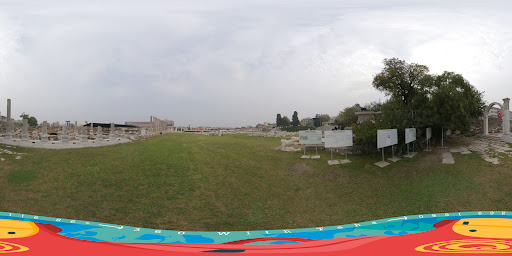
Agora Archaeological Site
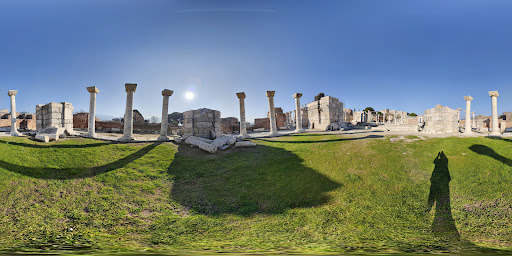
Ayasuluk KALESİ