 MüzeKartGeçerli
Patara Archaeological Sitevisitor guide.
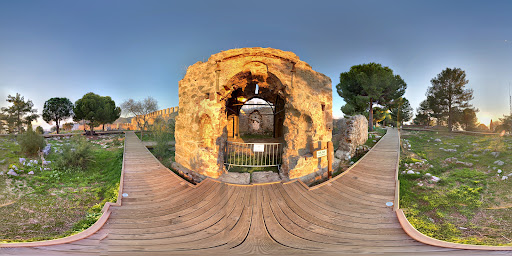
CAPITAL OF THE LYCIAN LEAGUE Serving as capital of the Lycian League, Patara is recorded as 'Patar' in Hittite texts of the 13th century BC. Possessing monumental historical and archaeological preeminence, the ancient city endured for centuries as the sole maritime outlet in the Xanthos Valley. Excavated continuously since 1988, Patara holds immense spiritual significance for Christianity: Saint Nicholas, known worldwide as Santa Claus, was born in Patara, and Saint Paul boarded ship here for Rome. Patara was also renowned as a grain granary port where Anatolian wheat was stored before maritime shipment to Rome. Falling under Seleucid control in the early 2nd century BC, Patara was acknowledged as Lycia's capital, a status formalized in 167/168 BC when Patara gained autonomy from Rome and independence from Rhodes. Retaining its eminence under Roman rule, the city was the judicial seat of provincial governors and a strategic naval base linking eastern provinces. A RENOWNED ORACLE SANCTUARY When Lycia became a Roman province in 43 AD and was merged with Pamphylia in 74 AD, Patara continued as capital. Hellenistic monumental architecture evolved in parallel. In the post-Roman era, it flourished as an oracle center of Apollo. In Byzantine times, it remained a vital Christian center: Eudemos, Bishop of Patara, was Lycia's sole signatory at the Council of Nicaea in 325 AD presided over by Emperor Constantine. The ancient city is entered via a magnificent, well-preserved Roman triumphal arch constructed around 100 AD in honor of the provincial governor. West of the arch extends the Necropolis with Lycian-type sarcophagi. Leaning against Kurşunlu Hill at the southern tip of the city, the theater was rebuilt in 147 AD following an earthquake. Offering panoramic vistas over the ruins, Kurşunlu Hill overlooks the Vespasian Baths, Corinthian Temple, Main Street, and ancient harbor monuments. A paramount monument is the Granarium (grain silo) commissioned in the 2nd century AD by Emperor Hadrian and Empress Sabina. North of the theater stands the Bouleuterion (Parliament Building) where Patara hosted League assemblies as capital. Aqueducts channeling water from cliffs 20 km away are equally noteworthy. WHILE YOU ARE HERE Although close to the Lycian Way trail, what must not be missed is the breathtaking beach adjacent to the ruins—one of the Mediterranean's finest sandy shores with unforgettable dunes. This 18-km beach is also a rare nesting sanctuary where Caretta caretta sea turtles have laid eggs for millions of years. DOWNLOAD MUSEUM BROCHURE NEARBY MUSEUMS OLYMPOS ARCHAEOLOGICAL SITE MYRA ARCHAEOLOGICAL SITE PERGE ARCHAEOLOGICAL SITE ST. NICHOLAS MONUMENT MUSEUM PHASELIS ARCHAEOLOGICAL SITE SIDE ARCHAEOLOGICAL SITE
Let AI build your tour plan

Patara Archaeological Site
3-Stop Personal Tour Plan
VISIT INFO
Museum visit information
Address
Gelemiş, 07976 Kaş/Antalya, Türkiye
Ticket
Not listed
Opening Hours
- Opening08:00
- Closing17:00
- Box office closing16:30
- Closed daysOpen every day
Phone
02428435018
GUIDES
Before you visit
Frequently Asked Questions (Patara Archaeological Site)
Opening: 08:00 · Closing: 17:00 · Box office closing: 16:30 · Closed days: Open every day
Neleri Meşhur İşbirliği
Patara Archaeological Site çevresinde ne meşhur?
Neleri Meşhur'da bakın — lezzet, gezi ve yöresel keşif tek yerde.
ANTALYA
Explore in the same city
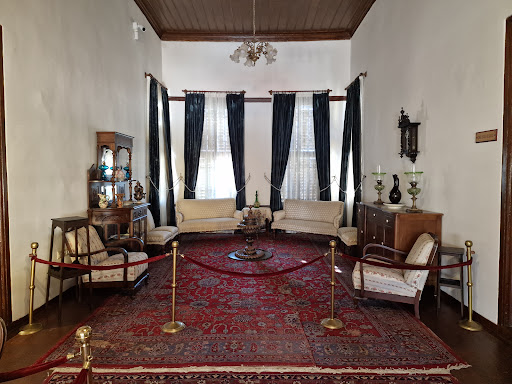
Alanya Atatürk Evi Museum
Alanya Castle