 MüzeKartGeçerli
Likya Uygarlıkları Museum and Andrıake Archaeological Sitevisitor guide.
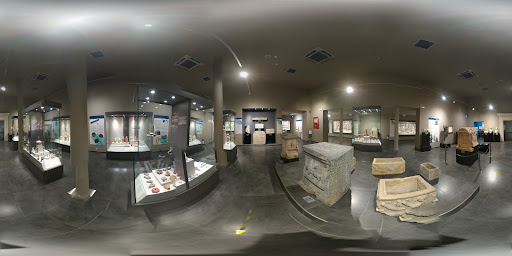
Whether the ancient ruins in the Çayağzı section of ancient Myra (modern Demre) belonged to a separate city was debated for a long time; however, recent archaeological research has conclusively proved that this was not an independent settlement, but the thriving harbor quarter of Myra. The Lycian Region owed its great wealth and prosperity to its Mediterranean harbors and commercial activities. Andriake served as the third most vital port in this region following Phaselis and Patara. Fragments of foreign amphorae discovered during excavations offer tangible proof of the remarkable intensity of international maritime commerce at this port. Although the vast majority of ruins in Andriake are connected with trade, ongoing systematic excavations have also brought to light civic, social, and religious edifices situated a short distance from the harbor and commercial quarter. Proving the port's immense role in the Mediterranean grain trade, the granarium (imperial grain storehouse)—now converted into the Museum of Lycian Civilizations—alongside the agora, monumental cistern, city ramparts, aqueducts, monumental fountains, Byzantine-era churches, public bathhouses, and watchtowers are among the remarkable structures you can explore here. Lycian-style monumental tombs commonly encountered across Lycia can also be visited within the ancient cemetery area. The Purple Color of Imperial Attire Was Produced Here Among the most captivating complexes in Andriake are the 'Murex Workshops,' which can be defined as an ancient dye factory. Murex is a marine mollusk from which precious purple dye was extracted—a color so rare in Antiquity that it was used exclusively by Roman emperors and the highest aristocrats. These mollusks were brought to Andriake in such quantities that leftover shell debris was mixed into building mortar, creating regional 'Murex Mortar.' First Tangible Evidence of Jewish Presence in Lycia One of the astonishing discoveries unearthed during excavations at Andriake is a Synagogue providing the very first concrete archaeological evidence of Jewish presence in Lycia. Dating to the 5th century AD, excavations within the synagogue revealed artifacts directly associated with Judaism, including a 'Menorah Plaque' bearing Jewish sacred symbols and inscriptions featuring religious formulae. DOWNLOAD MUSEUM BROCHURE NEARBY MUSEUMS OLYMPOS ARCHAEOLOGICAL SITE MYRA ARCHAEOLOGICAL SITE PERGE ARCHAEOLOGICAL SITE PATARA ARCHAEOLOGICAL SITE PHASELIS ARCHAEOLOGICAL SITE SIDE ARCHAEOLOGICAL SITE
Let AI build your tour plan

Likya Uygarlıkları Museum and Andrıake Archaeological Site
3-Stop Personal Tour Plan
VISIT INFO
Museum visit information
Address
Büyükkum, 07570 Demre/Antalya, Türkiye
Ticket
Not listed
Opening Hours
- Opening08:30
- Closing20:00
- Box office closing19:00
- Closed days
Phone
02428716002
GUIDES
Before you visit
Frequently Asked Questions (Likya Uygarlıkları Museum and Andrıake Archaeological Site)
Opening: 08:30 · Closing: 20:00 · Box office closing: 19:00 · Closed days:
Neleri Meşhur İşbirliği
Likya Uygarlıkları Museum and Andrıake Archaeological Site çevresinde ne meşhur?
Neleri Meşhur'da bakın — lezzet, gezi ve yöresel keşif tek yerde.
ANTALYA
Explore in the same city
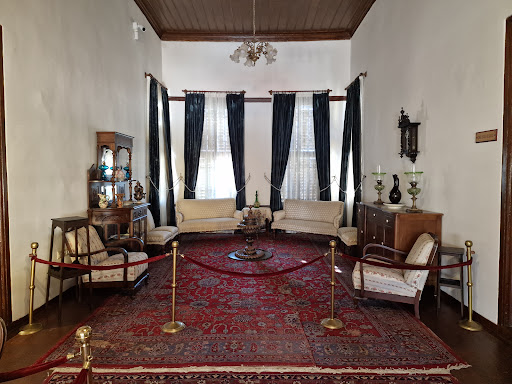
Alanya Atatürk Evi Museum
Alanya Castle