 MüzeKartGeçerli
Kossouth Evi Museumvisitor guide.
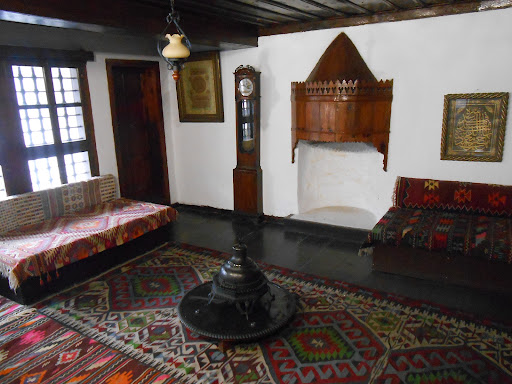
Located on Macar Street in Börekçiler Neighborhood in the provincial center, this 18th-century traditional Turkish house is popularly known among local residents as the 'Hungarian House'. Lawyer Lajos Kossuth (1802–1894), leader of the Hungarian War of Independence, was hosted with his family in this residence between 1850 and 1851, drafting the Hungarian Constitution within these very walls. Securing Hungary's liberty was arduous; March 15 marks the most sacred milestone in the Hungarian nation's struggle for independence. In 1848, following the allied intervention of Austria and Russia, Kossuth and his comrades were forced to flee their homeland. A refugee party of approximately 150 persons departed Hungary on August 17, 1849, crossing into Vidin and subsequently Shumla. The Ottoman Empire resolved to send these refugees seeking sanctuary to Kütahya, regarded as a safer haven. When Austria and Russia demanded that the Ottoman Empire extradite Kossuth, Sultan Abdülmecid I declared: 'We would not permit a single hair of their heads to be harmed. I would surrender my crown and my throne, but I shall never surrender those who seek refuge in my state.' Lajos Kossuth expressed his profound gratitude: 'I owe my present life and liberty to the Turks, who protected me and my companions despite the menaces and pressures of Austria and Russia. Those Turks, guided by elevated sentiments and deep respect for human rights, never bowed to any threat. The Turkish Nation possesses supreme moral power in this regard. The enduring existence of Turkey today and in the future serves the welfare of Europe and all humanity. I shall live with memories of the grace and honor shown to me by the Turks.' Kossuth and his retinue were escorted to Kütahya on February 16, 1850, where they resided for a year and a half. Governor Süleyman Bey welcomed them before the military barracks where the municipality building stands today, allotting them this historical mansion. Kossuth and his family were accommodated in the 18th-century residence belonging to Hamdi Bey of Kütahya, hosted warmly throughout 1850–1851. His residence quickly became an international center of diplomatic interest. Kossuth maintained a dignified lifestyle worthy of a national regent and leader, sending diplomatic correspondence and political messages to Ottoman statesmen, the United States, and British and French heads of state and ambassadors. While drafting the Hungarian constitutional proposal in Kütahya, he also compiled a Turkish grammar textbook begun in Shumla. The hospitable citizens of Kütahya catered generously to every need of Kossuth, his family, and his comrades. Kossuth's historic residence fostered sister-city relations between Kütahya and the city of Pécs in Baranya County, developing rich cultural, social, and economic ties between the Republic of Turkey and Hungary. Commemorating this heartfelt friendship, the mansion was dedicated as a museum honoring Lajos Kossuth and opened to visitors on September 19, 1982. Kossuth's personal belongings, handwritten Turkish letters penned during his exile, and an original poem can be admired in his study room, alongside ethnographic artifacts illustrating an authentic classical Kütahya house. The museum not only introduces Kossuth to visitors, but stands as an enduring monument to legendary Turkish hospitality. DOWNLOAD MUSEUM BROCHURE NEARBY MUSEUMS KÜTAHYA TILE MUSEUM AIZANOI ARCHAEOLOGICAL SITE KÜTAHYA MUSEUM
Let AI build your tour plan
Kossouth Evi Museum
3-Stop Personal Tour Plan
VISIT INFO
Museum visit information
Address
Börekçiler, Gediz Cd. No:27, 43050 Kütahya Merkez/Kütahya, Türkiye
Ticket
Not listed
Opening Hours
- Opening08:30
- Closing17:30
- Box office closing17:00
- Closed daysMonday
Phone
02742236214
Frequently Asked Questions (Kossouth Evi Museum)
Opening: 08:30 · Closing: 17:30 · Box office closing: 17:00 · Closed days: Monday
Neleri Meşhur İşbirliği
Kossouth Evi Museum çevresinde ne meşhur?
Neleri Meşhur'da bakın — lezzet, gezi ve yöresel keşif tek yerde.
KÜTAHYA
Explore in the same city

Aizanoi Archaeological Site
Çini Museum