 MüzeKartGeçerli
Çeşme Museumvisitor guide.
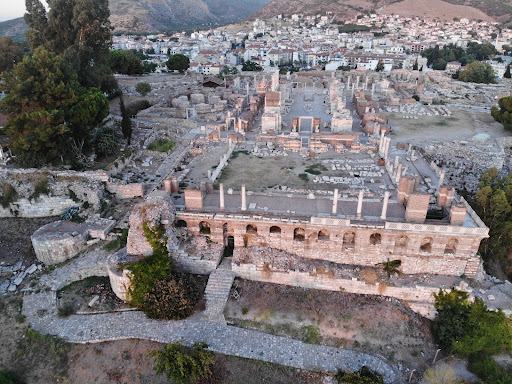
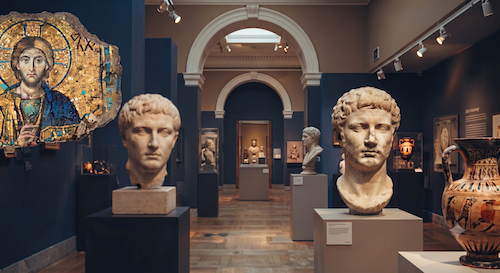
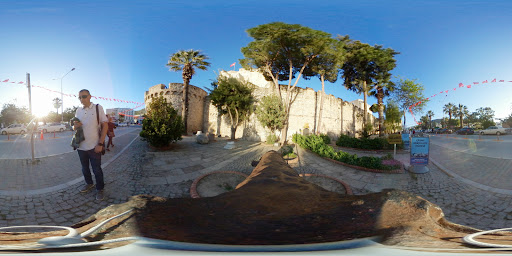
A MUSEUM WITHIN THE FORTRESS Bearing traces of initial construction by the Genoese in the 15th century for maritime trade safety between Çeşme and Chios Island, Çeşme Castle was substantially expanded and repaired during the reign of Sultan Bayezid II in 1508–1509, becoming a formidable Ottoman castle. Exhibiting both Genoese and Ottoman architectural styles side by side, Çeşme Castle stands as one of the prominent surviving castles in Western Anatolia. Rectangular in plan and situated on a rocky slope, it is bordered by the sea to the west and enclosed by moats on three sides. The main entrance gate is on the southern facade. The castle remained in military use until the 19th century and was subsequently abandoned. Following the display of weapons brought from Istanbul's Topkapı Palace Museum within the castle in 1965, Çeşme Castle was first opened as a weapons museum, and with reorganizations carried out in 1984, it continues to serve as Çeşme Archaeology Museum. Among many artifacts exhibited, discoveries from the Bronze Age settlement of Bağlararası in central Çeşme and finds from excavations of ancient Erythrai hold great significance. Handmade pottery found at Bağlararası, one of the earliest wine production centers, alongside statues, figurines, and coins from Erythrai demonstrate the region's profound history. The exhibition illustrating the 1770 Ottoman-Russian Naval Battle also draws attention. The hall displaying amphoras recovered from the sea is worth seeing for ancient maritime commerce. THE RED CITY 'ERYTHRAI' Erythrai, located in today's Ildırı, lies 22 km from Çeşme. The city's name means red in Greek. It is said that the city was called by this name because of the red soil of the region, or according to another legend, after its founder Erythros 'the Red', son of Cretan Rhadamanthys. Highly active in trade, the city was also famed for millstones produced locally and exported abroad. Excavations revealed the Temple of Athena, theater, monumental tomb (Heroon), Hellenistic and Roman villas, and city walls. BAĞLARARASI WITH WINE PRODUCTION In this location inhabited for thousands of years, the settlement dating back 5,000 years consisted of mudbrick structures on stone foundations separated by streets. Excavations at Bağlararası proved that a massive earthquake struck roughly 3,700 years ago, utterly razing the settlement and interrupting human life. Excavations also brought to light Anatolia's oldest Bronze Age winery structure. This building contains an apparatus where wine products were rested and stored. WHILE YOU ARE HERE... Do not leave without seeing Erythrai Ancient City in Ildırı, Bağlararası Bronze Age settlement, Çeşme's historic fountains, and old buildings and streets documenting Ottoman Turkish and Greek communities living together. Following restitution and restoration works, the Ottoman-Russian Naval Battle Hall and Stone Artifacts Hall, previously closed for security, have reopened. Currently no exhibition area is closed to visitors. DOWNLOAD MUSEUM BROCHURE NEARBY MUSEUMS EPHESUS ARCHAEOLOGICAL SITE PERGAMON ACROPOLIS ARCHAEOLOGICAL SITE EPHESUS MUSEUM ST. JEAN ARCHAEOLOGICAL SITE AGORA ARCHAEOLOGICAL SITE EPHESUS TERRACE HOUSES
Let AI build your tour plan
Çeşme Museum
3-Stop Personal Tour Plan
VISIT INFO
Museum visit information
Address
Musalla, İnkılap Cad., 35930 Çeşme/İzmir, Türkiye
Ticket
Not listed
Opening Hours
- Opening08:30
- Closing17:30
- Box office closing17:00
- Closed daysOpen every day
Phone
02327126609
GUIDES
Before you visit
Frequently Asked Questions (Çeşme Museum)
Opening: 08:30 · Closing: 17:30 · Box office closing: 17:00 · Closed days: Open every day
Neleri Meşhur İşbirliği
Çeşme Museum çevresinde ne meşhur?
Neleri Meşhur'da bakın — lezzet, gezi ve yöresel keşif tek yerde.
İZMİR
Explore in the same city
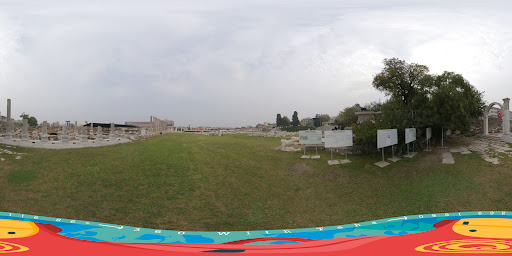
Agora Archaeological Site
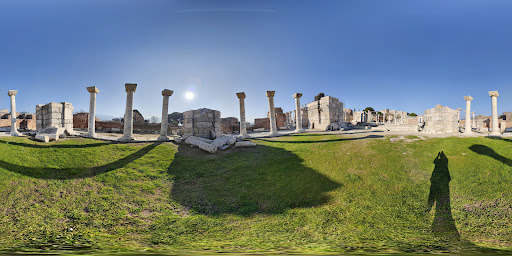
Ayasuluk KALESİ