 MüzeKartGeçerli
Aizanoi Archaeological Sitevisitor guide.
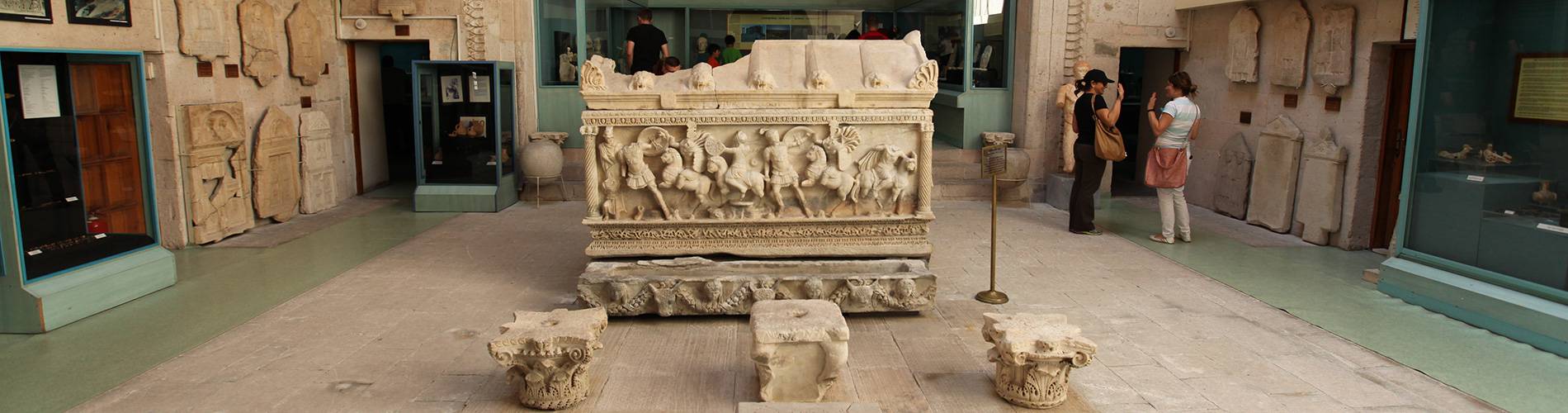
It is located in Çavdarhisar District, 50 km from the Provincial Center. In the upper basin of the Penkalas (Kocaçay) River, it is believed that the mythological hero named 'Azan,' mentioned in ancient sources as the predecessor of the Phrygians living around the sacred cave of Goddess Meter Steunene, was born from the union of water nymph Erato and the legendary King Arcas. The name of the city of Aizanoi may have originated from this mythological hero. Aizanoi was the primary settlement of the Aizanitis people living as part of ancient Phrygia. In excavations conducted around the Temple of Zeus on the city's elevated plateau, settlement layers dating back to the 3rd millennium BC were uncovered. One of the settlement sites identified in many parts of the plain in recent times was located on the site of this sacred mother area during Anatolia's early periods. In the Hellenistic Period, while this region was alternately attached to Pergamon and Bithynia, it came under Roman rule in 133 BC. The first coins bearing the city's name are known from the 2nd/1st centuries BC. In the Roman Period, having prospered through cereal cultivation, wine, and wool production, with its fame extending beyond regional borders, definitive urbanization evidence in Aizanoi is encountered only toward the late 1st century AD. While Aizanoi was an episcopal see in the Early Byzantine Period, it lost its significance from the 7th century AD onwards. The temple plateau was converted into a fortress in the Middle Ages. During the Seljuk Principality Period, it was used as a military base by the Çavdar Tatars. Therefore, this locality was named Çavdarhisar. Aizanoi was rediscovered in 1824 by European travelers, and investigated and described in the 1830s and 1840s. In 1926, short-term excavations began under M. Schede and D. Krencker for the German Archaeological Institute. The same Institute continued work from 1970 to 2010, and in 2011 Pamukkale University Archaeology Department took over. The city's population was estimated at around eighty thousand at that time. Among the remains are the world's best-preserved Temple of Zeus, a theater seating 15,000 spectators and an adjoining Stadium seating 13,500, Two Bathhouses, an Exchange Building, a Colonnaded Street, five bridges over Kocaçay with two still standing, the Meter Steunene Sacred Sanctuary, City Necropolis, a single-arched dam, waterways, and monumental gate structures. Aizanoi Ancient City is contemporary with Ephesus, Pergamon, and Side. DOWNLOAD MUSEUM BROCHURE NEARBY MUSEUMS KÜTAHYA TILE MUSEUM KOSSUTH HOUSE MUSEUM KÜTAHYA MUSEUM
Let AI build your tour plan

Aizanoi Archaeological Site
3-Stop Personal Tour Plan
VISIT INFO
Museum visit information
Address
Yukarı, Cumhuriyet Cd., 43710 Çavdarhisar/Kütahya, Türkiye
Ticket
Not listed
Opening Hours
- Monday08:30–19:00
- Tuesday08:30–19:00
- Wednesday08:30–19:00
- Thursday08:30–19:00
- Friday08:30–19:00
- Saturday08:30–19:00
- Sunday08:30–19:00
Phone
02743512058
Frequently Asked Questions (Aizanoi Archaeological Site)
Monday: 08:30–19:00 · Tuesday: 08:30–19:00 · Wednesday: 08:30–19:00 · Thursday: 08:30–19:00 · Friday: 08:30–19:00 · Saturday: 08:30–19:00 · Sunday: 08:30–19:00
Neleri Meşhur İşbirliği
Aizanoi Archaeological Site çevresinde ne meşhur?
Neleri Meşhur'da bakın — lezzet, gezi ve yöresel keşif tek yerde.
KÜTAHYA
Explore in the same city
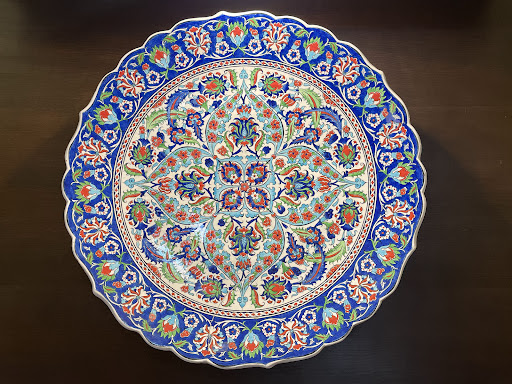
Çini Museum
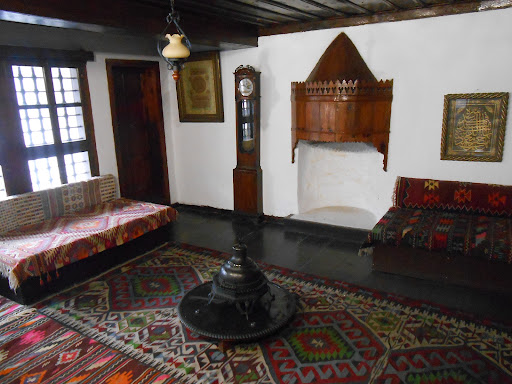
Kossouth Evi Museum